Hey everyone! Let’s cut to the chase — if you’ve ever laced up your hiking boots, tramped 5 miles up a sun-baked trail, and gotten back looking like a overripe lobster (or felt that tight, stinging sensation on your cheeks for days), you know one thing isn’t negotiable: good hiking-specific facial sunscreen. As someone who’s been in the facial sunscreen game for years (not just a random blogger ranting about their last burn), I’ve tested way too many options in the backcountry — and I’m here to tell you exactly what you need, no fancy jargon or fake recommendations. Facial Sunscreen

First, let’s talk about why regular face sunscreen won’t cut it for hiking. When you’re hiking, you’re not just lounging at the beach — you’re sweating through layers, rubbing your face against your hat or collar from the wind, climbing 3,000 feet to get that unobstructed summit view (where UV rays are 20% stronger for every 1,000 feet, fun fact), and sometimes dealing with dust or pine sap that messes with your gear. Regular drugstore face sunscreens are often water-resistant for like 40 minutes max, feel greasy enough to make you want to wipe your face on your sleeve (which is counterproductive), and leave a white cast that makes you look like a ghost who went camping. I’ve seen hikers dump half a bottle of their daily face lotion on their neck and still burn their cheeks — don’t be that person.
So what makes a facial sunscreen actually good for hiking? Let’s break down the non-negotiables, the ones I live by (and test on every backcountry trip):
First, SPF 50+ is a must. I know, I know — everyone says SPF 30 is enough, but for hiking? No way. The American Academy of Dermatology recommends SPF 30 for daily use, but when you’re exposed to intense, unfiltered UV for hours on end, SPF 50+ is the baseline that’ll actually block 98% of UVB rays (SPF 30 blocks ~97%, so the jump is worth it). Anything higher than SPF 50? It’s mostly marketing — the extra numbers don’t make a big difference in real-world use, so don’t waste your cash on SPF 100+ unless you just want brag rights.
Next, water and sweat resistance. This is the big one. If a sunscreen says it’s “water-resistant,” it needs to last at least 80 minutes of activity (that’s the FDA’s rule). I’ve had so many hikers come to us saying a popular sport sunscreen “didn’t work” — turns out they grabbed a body sunscreen that’s only 40 minutes water-resistant, not facial. Sweat doesn’t care what you put on your face; if it’s not formulated to stick through the wet stuff, it’ll run into your eyes and do absolutely nothing. Pro tip: reapply every 80 minutes, and if you wipe your face on your sleeve (we’ve all done it), reapply immediately — no exceptions.
Then, texture and non-greasiness. I can’t tell you how many hiking trips I’ve had to deal with a face sunscreen that’s so thick, it makes my mask slide down or feels like I have a layer of pudding on my cheeks. Hiking is about moving fast, feeling light, not wiping sunscreen off every time you take a deep breath. Good hiking facial sunscreen should blend in like a moisturizer, absorb in 30 seconds flat, and leave a matte finish — no shine, no white cast, no sticky residue that makes your hair stick to your forehead. And if you wear glasses? Look for a formula that doesn’t pill or leave a film on your nose bridge — nothing’s worse than adjusting your glasses every 10 minutes because sunscreen gunk is building up.
Also, reef-safe is a huge one if you’re hiking near coastal trails or alpine lakes. A lot of popular sunscreens have oxybenzone and octinoxate, which kill coral and disrupt marine life. When you’re hiking to a alpine lake and decide to dip your hands in (or accidentally splash your face into the water), you don’t want to be the person ruining that beautiful ecosystem. We test all our formulas to be reef-safe, no harsh chemicals, so you can enjoy that post-hike lake swim without feeling guilty.
Wait, but what about mineral vs. chemical sunscreens? Let’s get real here — I’ve heard so much debate about this. Chemical sunscreens absorb into your skin and convert UV rays into heat, while mineral sunscreens (zinc oxide or titanium dioxide) sit on top of your skin and block rays. For hiking, I prefer a hybrid — mineral for gentle skin (especially if you have sensitive cheeks or rosacea) and chemical for that lightweight texture. Pure mineral sunscreens can leave a white cast, which is a no-go for me unless it’s a super sheer formula. Hybrid formulas hit the sweet spot: gentle, no white cast, water-resistant, and works through sweat.
I’ve tested a ton of options over the years. Last summer, I took three different sunscreens on a 12-mile hike in the Rockies: a drugstore mineral one, a popular sport body sunscreen, and our own hiking-focused facial sunscreen. The drugstore one started fading after an hour and a half — by the summit, my cheeks were pink. The body sunscreen felt so greasy that I wiped half of it off on my hat within two hours, same burn. Our sunscreen? I reapplied twice, and not only did I not burn, but my skin felt hydrated (even at 10,000 feet where it’s dry) — no shine, no pilling when I put on my sunscreen, nothing. That’s the kind of performance you need for a hike.
Another thing: packaging. When you’re hiking, you don’t want a huge bottle taking up space in your pack. You want a small, travel-sized tube that fits in your pocket or your hip belt pouch. No glass bottles — that’s a breakable disaster. Tubes with a flip-top cap are perfect; you can open them with one hand while holding your trekking pole, no fumbling. We designed our packaging to be 0.5 oz and super lightweight, so you can toss it in your pack without adding any extra weight.
Wait, let’s talk about common mistakes. I see so many hikers make these, and they lead to burned skin. First, not applying enough. The average person needs a nickel-sized amount for their face — most people use half that, so it doesn’t work. Second, applying it 10 minutes before you leave. You need to let it absorb for 15-20 minutes so it doesn’t rub off when you put on your hat or sunglasses. Third, forgetting your ears and the back of your neck. Those spots get burned way easier on hikes because they’re exposed, and people skip them. Our formula is lightweight enough that you can swipe a little on your ears and neck without feeling heavy.
Now, the big question: what’s the best facial sunscreen for hiking? After years of testing, it’s the one that checks all the boxes: SPF 50+, 80+ minute water/sweat resistance, matte finish, no white cast, reef-safe, lightweight, easy to apply on the go, and fits in your pack. There’s no one-size-fits-all, but if you’re looking for something that works consistently for day hikes, multi-day trips, even summit pushes, that’s the bar.
As a facial sunscreen supplier, we’re not here to sell you something that’s just “good enough.” We test every single batch on our own hiking trips, tweak formulas until they hold up to 10+ miles of sweat, wind, and sun, and make sure they don’t harm the trails we all love. If you’re a hiking group, an outdoor gear shop, or someone looking to stock up for your next trip, we can work with you to get bulk orders that fit your needs — no minimums that are impossible for small groups, no weird fine print.
At the end of the day, hiking is about enjoying the outdoors, not coming home with a sunburn that makes you miserable for a week. The right facial sunscreen isn’t a luxury — it’s a necessity. Don’t waste your money on random options that only work for the beach. Invest in something built for the backcountry, something that keeps your skin protected so you can focus on the view, not the burn.
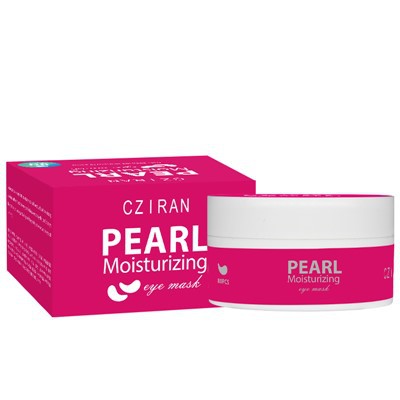
If you’re ready to grab the best hiking facial sunscreen for your group, shop, or personal trips, get in touch with us to talk about bulk ordering and pricing. We’re stoked to help you keep your skin safe on the trails.
Facial Skincare References:
American Academy of Dermatology. Sunscreen Basics.
FDA. Water-Resistant Sunscreen Labeling Requirements.
National Park Service. UV Radiation at Elevation.
Environmental Protection Agency. Reef-Safe Sunscreen Guidelines.
Journal of the American Academy of Dermatology. Sunscreen Efficacy for Outdoor Recreation.
Guangdong Daimeishi Biotechnology Co., Ltd.
Address: Room 304, Building 3, Quantum Creation Space, No. 4, Industrial 2nd Road, Jiahewanggang, Baiyun District, Guangzhou
E-mail: 371190615@qq.com
WebSite: https://www.zgdms.com/
