If you’re here, odds are you’re deep in the game with silicon slag (yep, that’s the byproduct from silicon metal production when you smelt quartz and coke) and stuck on figuring out how to package it right. As a supplier who’s walked this tightrope for years—hauling batches to steel mills, aluminum refineries, and battery material makers—let me cut through the industry jargon and break down what actually works, what doesn’t, and why the “one-size-fits-all” approach is basically a myth here. Si Slag Series Products
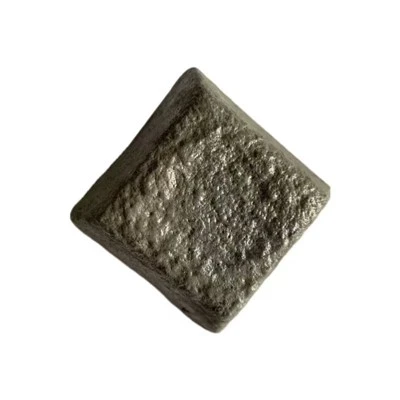
First, let’s start with the basics: silicon slag isn’t just a pile of dusty rock. It’s got weird quirks—some batches are fine powder, others are chunky, porous lumps, and a lot of the time, it’s damp with residual process moisture (which can turn to a mess if it freezes mid-transport). It’s also heavy. A cubic foot of silicon slag can weigh 100+ lbs, so whatever packaging you pick has to be sturdy enough to not split, keep contamination out, and make loading/unloading a headache. Over the years, I’ve tested almost every option out there, and here’s what’s stood the test of time.
Let’s kick off with the workhorse: flexible intermediate bulk containers (FIBCs)—you know, the big “super sacks” everyone calls jumbo bags. I’ll be real: these are our go-to for 70% of our orders, and for good reason. They’re cheap, lightweight, and hold up to 2,200 lbs (or more, if you splurge on the heavy-duty ones). But not all FIBCs are created equal. Regular polypropylene (PP) woven FIBCs work for dry, chunky slag—they’re porous enough to let any leftover moisture evaporate a little, so you don’t get that clumpy sludge at the bottom. But if you’re dealing with fine-grade silicon slag (used in specialty aluminum alloys, for example), you need a liner. A low-density polyethylene (LDPE) liner inside the PP sack stops the fine dust from leaking out during transport—trust me, I’ve had orders where no liner = 50 lbs of dust lost before it even hit the customer’s dock, and that’s a quick way to get a “underweight” complaint.
Wait, but there’s a catch with FIBCs: static. Silicon slag is conductive, right? And during transport, all that rubbing in the sack builds up static—big risk if you’re loading near flammable materials (like in steel mill yards where they handle coal). That’s why we use anti-static FIBCs for batches heading to refineries. They’ve got a conductive thread woven into the polypropylene, so static bleeds off instead of sparking. Pro tip: always get FIBCs with lift loops that go all the way to the top, not just the sides. We’ve had too many forklift operators try to hoist sacks with side loops and split the bottom—total waste of time and product.
Next up: drums. Specifically, steel drums lined with plastic. These are for the small-batch, super high-purity stuff. If you’re shipping silicon slag that’s going into lithium-ion battery anode precursors, for example, you can’t have cross-contamination from other materials. Steel drums are airtight if the lid is clamped right, so no dust seeps in or out, and they’re rigid enough that you can stack them 4 high on a pallet without crushing. But they’re way heavier than FIBCs—empty, a steel drum is 50 lbs—and they’re more expensive, so we only use them for orders under 500 lbs. Also, plain steel drums can rust if the slag’s even a little damp, so we line every single one with food-grade (yep, same stuff as the liners in yogurt cups) LDPE to keep moisture and rust out. Last year, we had a customer test a batch in unlined drums and got back a note saying the slag had tiny iron particles from the drum—ruined their whole alloy. Never again.
Then there’s the wild card: bulk truck loads. Wait, that’s not “packaging” per se, but it’s a huge part of how we get big batches (10,000 lbs+) out, so I’d be remiss not to mention it. If you’re shipping directly to a steel mill that’s got its own storage silos, you can use a pneumatic tanker truck. These have built-in fans that blow the fine slag directly into the silo, so no bags, no drums, just direct delivery. But it only works for fine-grade slag, and the tanker has to be super clean—you can’t use a tanker that carried grain a week before, because leftover grain dust will contaminate your silicon slag. We learned that the hard way: one customer called us furious because their slag had grain particles, and we had to scrap the whole batch. Now we tag every tanker with what it last carried, no exceptions. For chunky slag, we use open-top bulk trailers—just make sure you tarp it tight. Wind can blow half the slag out, and rain can soak it, making it too heavy to unload. We’ve had a load where the tarp ripped on the highway, and we lost 2,000 lbs of slag before we even got to the customer. Lesson: double-check the tarps before you hit the road, no matter how small the order seems.
Wait, what about the niche stuff? We’ve had orders for super fine slag (like 200-mesh, which is basically powder) that can’t risk even a single particle leaking. For those, we use fiber drums with sealed poly-liners. Fiber drums are sturdier than cardboard, lighter than steel, and the seal is airtight if you use a rubber gasket on the lid. Last quarter, we sent a batch to a maker of silicone sealants, and they said the packaging was so good, they didn’t have to clean any dust out of their hopper before loading. Win. And for orders that are just a few hundred pounds, or going over a short distance, we even use heavy-duty paper bags lined with polyethylene. They’re cheaper than drums, lighter than FIBCs, but only work for dry, chunky slag—no fine powder, because it will seep through the paper.
Now, let’s talk about mistakes we’ve made so you don’t have to. Early on, we used regular PP FIBCs for fine slag. The result? Half the order was dust by the time it got to the customer, and we had to issue a 20% refund. We also tried reusing steel drums to save money—big no-no. One customer had a drum that had held caustic soda before, and the leftover residue reacted with the silicon slag, turning it gray and ruining the whole batch. Now we only use brand-new packaging, no exceptions. Another mistake: not accounting for weight when choosing packaging. We once tried to put 2,500 lbs of slag in a FIBC rated for 2,000 lbs—bottom split on the forklift, and we spent 3 hours sweeping slag off the warehouse floor. Never again: always add 10% to the rated weight for safety, because slag’s density can vary batch to batch.
Wait, also think about storage for your customer. A lot of our clients don’t have fancy storage facilities—they’ve got open yards with concrete pads, or just covered sheds. So packaging needs to work for them too. If you give a customer a FIBC, make sure it has a polypropylene loop at the top to hang it from a beam, so they don’t have to dig through a pile of slag in a drum. For open-yard storage, we recommend FIBCs with UV-resistant fabric, because the sun will eat through regular PP in 6 months. We had a customer in Texas who stored a batch of slag in regular FIBCs, and after 3 months, the bags were so brittle they cracked when someone nudged them with a forklift. Now we only use UV-stabilized FIBCs for outdoor storage orders.
And don’t forget about transportation regulations. If you’re shipping internationally, there are rules about hazardous materials? Wait, no, silicon slag isn’t regulated as a hazardous material, but some ports or rail lines have rules about dust. So for ocean freight, we use sealed FIBCs or steel drums to keep dust out of the ship’s cargo hold. Last year, we shipped a container of slag to Japan using unlined FIBCs, and when it arrived, the whole container was covered in fine dust—inspectors almost turned it away. Never again: international orders need extra dust protection.
So putting this all together, here’s my breakdown of what works for which scenario:
- Large, dry, chunky batches (2,000+ lbs): Anti-static, UV-resistant FIBCs with LDPE liners.
- Small, high-purity batches (under 500 lbs): Airtight steel or fiber drums with poly liners.
- Bulk direct deliveries (10,000+ lbs): Clean pneumatic tankers for fine slag, open-top tarps for chunky slag.
- Niche, ultra-fine batches: Sealed fiber drums or heavy-duty paper-lined bags.
But here’s the thing: every silicon slag batch is a little different. Some are high in iron, some are low, some are extra fine, some are super lumpy. That means you can’t just order a truckload of one packaging and call it a day. At our company, we test every order before we ship: we check the moisture content, the particle size, and the end use, then pick the packaging that fits. It’s extra work, but it saves us from the headaches of returns, refunds, and angry customers.
If you’re tired of guessing which packaging works for your silicon slag orders, or you’re dealing with a specific challenge—like dust leaks, broken bags, or cross-contamination—we’ve got you. We’ve been sourcing and packaging silicon slag for years, and we’ve worked with every type of customer from small foundries to large battery material makers. We can help you figure out the right packaging for your needs, no matter the size or end use.
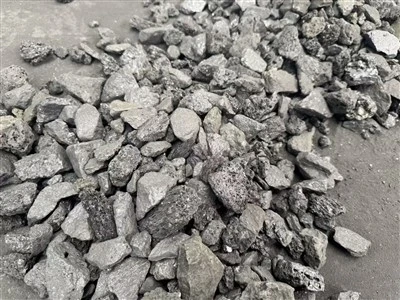
Get in touch with us to discuss your silicon slag requirements, and we’ll walk you through all the options, answer your questions, and make sure your products arrive safely, on time, and exactly how you need them.
Metal Silicon References
- Industrial Packaging Association. (2022). Guidelines for Bulk Material Packaging and Transportation.
- Silicon Production Technology Journal. (2021). Handling and Packaging of Silicon Byproducts for Industrial Applications.
- Global Steel Supply Chain Report. (2023). Best Practices for Shipping Metallurgical Slag Products.
Anyang Baitengxin Metal Co., Ltd.
As one of the most professional si slag series products manufacturers in China, we have world-leading production equipment and strong manufacturing capabilities. Please feel free to buy high quality si slag series products for sale here from our factory. Good service and reasonable price are available.
Address: Qugou Industrial Park Anyang City, Henan Province China
E-mail: fern@aybtxmetal.com
WebSite: https://www.aybtx-metal.com/
