As someone who’s spent the last 12 years working as a hydraulic gear pump supplier—tinkering with prototypes in my workshop at 2 a.m., troubleshooting field calls, and walking customers through fluid specs over late-night coffee—I can tell you this question comes up more often than you’d think. New operators, small manufacturing shop owners, and even young engineers just starting out will message me: “What exactly can my gear pump move, anyway?” It’s not a trivial question, either. Pumping the wrong fluid doesn’t just slow a machine down—it can gum up seals, wear out gears faster than intended, or even trigger a total system failure. Let’s break this down the way I do, with real-world examples and hard-won lessons from the jobs I’ve seen. Hydraulic Gear Pump
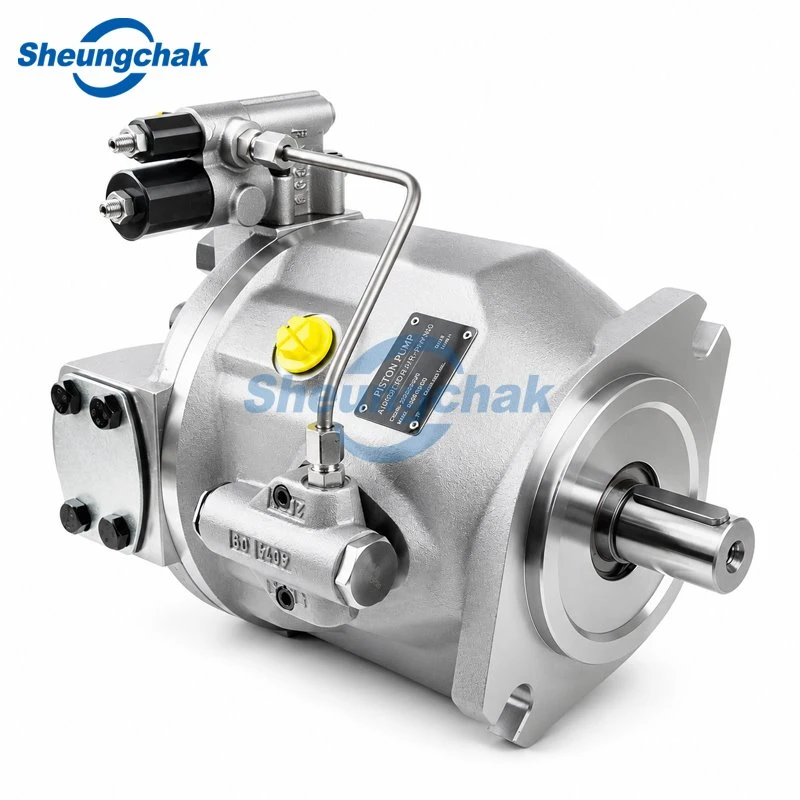
First, let’s get the basics right: a hydraulic gear pump works by meshing two rotating gears inside a sealed housing. As the gears turn, they create low pressure on the inlet side, pulling fluid in, then trap it in the gaps between the gear teeth and the housing, and push it toward the outlet side, where pressure builds. That design is simple, durable, and forgiving—but it’s also only as good as the fluid it’s moving. The pump’s internal clearances (usually measured in thousandths of an inch) are tiny, so the fluid has to balance two key traits: viscosity (how thick or thin it is) and lubricity (its ability to reduce friction between metal parts). Skimp on either, and the pump won’t last a year, let alone the five to seven years it’s designed for.
Let’s start with the fluids that gear pumps are built for, the ones I see in 90% of my customer orders: mineral-based hydraulic oils. This is the workhorse, the default for construction equipment, agricultural machinery, and factory assembly lines. I’ve supplied these pumps to a John Deere dealer in Iowa for their tractor repair bays, and a Caterpillar affiliate in Texas for their excavator fleets, and both swear by these oils. Mineral-based oils are formulated with additives that do three critical things for gear pumps: they have just the right viscosity—usually 32 to 68 cSt at 40°C (that’s the sweet spot, not too thin to leak out of gear gaps, not too thick to get stuck on cold startup)—they lubricate the metal gears and bearings to keep wear low, and they resist foaming, which can cause pressure drops that mess up machine hydraulics.
I’ve had a customer try to use a way thinner oil, like 10W-30 motor oil, once. He was cutting costs, figured “oil is oil,” and his pump seized up on the third day of running. The problem? The motor oil was too thin to stay trapped between the gear teeth. It leaked back through the inlet side, pressure dropped, and the gears ground against each other without lubrication. We replaced his pump, but I spent an hour explaining why mineral hydraulic oil isn’t the same as motor oil—additives, viscosity ratings, all that. That’s the kind of mistake I see all the time, so I make it a point to emphasize: for standard gear pump applications, mineral-based hydraulic oils are non-negotiable for reliability.
Next up, synthetic hydraulic oils, which I’ve been supplying more of lately, especially for extreme environments. If you’re working in northern Canada, where winter temperatures drop to -40°F, or in a foundry where ambient heat hits 120°F, synthetic oils are the way to go. I had a mining client in British Columbia last year whose previous pump kept failing in the cold; they switched to a synthetic ISO 46 oil, and their pump life doubled. Synthetic oils don’t thin out as much in cold weather, and they don’t break down as fast in heat, so they maintain consistent viscosity across a wider temperature range. They also have better lubricity than mineral oils for heavy-duty, high-pressure applications, like the pumps on rock crushers or forestry harvesters. The only catch? They’re more expensive, so I always tell customers to weigh the cost of a new pump every year against the upfront cost of synthetic oil—for extreme environments, the synthetic is almost always worth it.
Then there are the fire-resistant fluids, which became a must-have for industrial applications after a string of hydraulic system fires in the 1980s. If you’re running a metal stamping press, a steel mill, or any machine near open flame, standard mineral oil is a fire hazard. That’s where water-glycol fluids and polyolester (POE) fluids come in. Water-glycol mixes are 35 to 50% water, with glycol additives, so they’re almost non-flammable. They work with gear pumps, but you have to be careful with the specs: water-glycol has a lower viscosity than mineral oil, so I suggest a pump with slightly tighter internal clearances to prevent leakage, and you have to monitor the water content closely—if it drops too low, the fluid becomes flammable again. I once had a steel mill in Ohio that tried to cut corners by adding too much concentrate to their water-glycol mix; it dried out, and their pump’s seals cracked within six months. Now I send them a reminder every quarter to test their mix, just to keep them on track.
Polyolester fluids are another fire-resistant option, though they’re synthetic, not water-based. They’re less common than water-glycol, but they have better lubricity, so they work better in high-pressure gear pumps for things like injection molding machines. I supplied a set of pumps to a plastic parts manufacturer in Michigan two years ago, and they still run those pumps daily with zero issues. The downside? POE fluids are hygroscopic, meaning they absorb moisture from the air, so you have to seal the hydraulic system tight to keep water out—moisture causes corrosion inside the pump, and that’s a silent killer.
Now, let’s talk about fluids that gear pumps can’t handle, because this is where a lot of customers get in over their heads. I get asked sometimes: “Can I pump diesel fuel with a gear pump?” On the surface, it seems like a match—diesel is a fluid, it’s used in heavy equipment, right? But diesel has a viscosity of around 2 to 5 cSt, way thinner than the 32-68 cSt we need for gear pumps. It will leak through the tiny clearances between gears and the housing, so you’ll lose pressure, and even if you get it to move, diesel has almost no lubricity. I’ve seen a farmer in Minnesota try to use a standard hydraulic gear pump to transfer fuel from his farm tank to his tractors; the pump wore out in three weeks, the gears ground down to half their original size. If you need to pump fuel, you need a specific fuel transfer pump, not a hydraulic gear pump. That’s a hard lesson, but one I’m happy to teach before a customer wastes their money on the wrong pump.
What about antifreeze? Coolant for engines, ethylene glycol mixes? Some people think it’s a hydraulic fluid, but again, viscosity is off. Ethylene glycol is too thin, and it’s corrosive to the metal and seals in a standard hydraulic gear pump. I had a construction company once try to use leftover antifreeze to top off their hydraulic system, and within a month, their pump’s aluminum housing had pitted, and the seals had swollen and cracked. Now I always tell customers: hydraulic systems and cooling systems are separate for a reason—don’t mix the fluids.
And then there are the unusual fluids, like vegetable-based hydraulic oils, which are growing in popularity as eco-friendly options. These are biodegradable, made from canola or sunflower oil, and they work with standard gear pumps, but with a few caveats. Vegetable oils have higher viscosity than mineral oils, so in cold weather, they can get too thick to move, and they also break down faster than mineral oil—usually every two to three years, compared to five for mineral. They’re great for applications where leakage could hurt the environment, like marine equipment or outdoor landscaping, but I caution customers to change the fluid on schedule and use a pump rated for vegetable oils (some standard pumps have seals that aren’t compatible, so I always check with the manufacturer first).
Wait, there’s one more fluid I’ve had a lot of questions about lately: synthetic ester-based fluids for wind turbine gear pumps. Wind turbines operate in all kinds of weather, high pressure, and the gear pumps there are critical to keeping the blades moving. I’ve been working with a wind farm developer in Oklahoma for the past four years, supplying custom gear pumps that match their 32 cSt ester fluids. The key here is that wind turbines run 24/7, so the fluid has to be stable for thousands of hours without breaking down. That’s why I work closely with fluid manufacturers to test each pump before it ships—we run it for 100 hours at 1500 PSI, check the viscosity, check for seal wear, and make sure it’s a perfect match for their specific fluid. No guesswork, just real testing.
I can’t stress enough how important it is to match the pump to the fluid, not the other way around. I’ve had customers come to me with a pump they already bought, and ask me to make a fluid work with it. Sometimes that works—if it’s just a viscosity tweak, we can adjust the internal clearances. But if it’s a fluid with no lubricity, or a fire-resistant fluid that needs special seals, we might have to suggest a different pump entirely. That’s why, when a customer first reaches out, I always ask three questions: what fluid are you pumping, what’s the operating temperature range, and what’s the pressure of your system. Those three answers tell me everything I need to know to recommend the right gear pump.
Let me wrap this up with a quick story from last winter. A small logging company in Oregon called me, panicking. Their old gear pump had failed on their skidder, which was running in the rain at 30°F. They’d tried using motor oil to replace the hydraulic fluid, and it was gumming up, so the pump wouldn’t turn. I drove up to their yard that day, brought a custom-built gear pump with tighter clearances, and a jug of our synthetic 46 hydraulic oil. I swapped the pump out, showed their mechanic how to check the fluid viscosity monthly, and gave him a spare seal kit for the road. A month later, he texted me a photo of the skidder running in the snow, with a note that the pump had run flawlessly. That’s what this business is about—not just selling a pump, but making sure it works for the customer, no matter what they’re dealing with.

If you’re working on a project right now, and you’re not sure if your fluid is a good fit for a hydraulic gear pump, don’t guess. Send me a message, tell me what you’re pumping, the conditions you’re working in, and I can walk you through it. Whether you’re a small shop owner, a factory manager, or a farm operator, I’ve seen almost every scenario, and I can help you pick the right pump, right fluid, and avoid the mistakes that cost time and money. I’m here to make sure your hydraulic system runs smooth, not just for a few months, but for years to come.
Hydraulic Pump References:
- Hydraulic Fluid Technology: Principles, Applications, and Maintenance. Society of Tribologists and Lubrication Engineers, 2019.
- Gear Pump Design and Application Guide. International Fluid Power Society, 2021.
- Fire-Resistant Hydraulic Fluids: Selection and Compatibility. National Fire Protection Association, 2020.
- Viscosity Guidelines for Hydraulic Pump Performance. Mobile Hydraulics Manufacturing Association, 2018.
Guangdong Sheungchak Hydraulic Technology Co., Ltd.
Guangdong Sheungchak Hydraulic Technology Co., Ltd. is one of the most professional hydraulic gear pump manufacturers and suppliers in China. We are committed to providing high quality customized products with competitive price. Please rest assured to wholesale durable hydraulic gear pump for sale here and get pricelist from our factory.
Address: Building 25, Liantang Industrial City, Shangcun Community, Gongming Subdistrict, Guangming District, Shenzhen, China
E-mail: info@hydraulicsc.com
WebSite: https://www.hydraulicsc.com/
