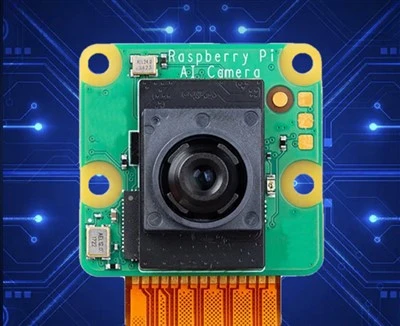
In the ever – evolving world of digital imaging, the question of pixel count has long been a hot topic of discussion. As a supplier of cameras and imaging devices in the standard 5 – 12 megapixel (MP) range, I often find myself in conversations comparing our offerings with higher megapixel standards. This blog aims to explore the nuances of these two categories and shed light on the unique advantages that standard megapixel devices hold. Standard (5–12MP)
To begin with, let’s understand what megapixels actually represent. A megapixel is one million pixels, and pixel count is often used as a key metric to measure the resolution or sharpness of an image. Higher megapixel cameras, with those boasting 20MP, 40MP, or even higher, are typically associated with greater detail and clarity in images. In theory, the more megapixels you have, the more information the camera can capture, and this can translate into stunningly sharp and detailed photos.
However, the story is not as straightforward as it seems. For many practical applications, standard 5 – 12MP cameras are more than sufficient. Consider everyday photography, such as capturing family moments, scenic views during a vacation, or social media – worthy shots. In these scenarios, the quality of the lens, the image – processing capabilities of the camera, and the lighting conditions play far more crucial roles than the sheer number of megapixels.
When it comes to sharing photos on social media platforms like Instagram, Facebook, or Twitter, the maximum resolution these platforms support is often far lower than what high – megapixel cameras can produce. For example, Instagram’s maximum upload resolution is around 3000 pixels on the longest side. A 5 – 12MP camera can easily capture images that meet or exceed this requirement. In fact, uploading a high – resolution image may even result in the platform automatically compressing it, potentially losing some of the extra detail that the high – megapixel camera was designed to capture.
In addition to social media use, another area where standard megapixel cameras shine is in video conferencing and webcams. The standard resolutions for video conferencing, such as 720p (1.3MP) or 1080p (2.1MP), are well within the capabilities of 5 – 12MP cameras. These cameras can provide clear and sharp video feeds without the need for excessive processing power, which is particularly important for devices with limited hardware resources, such as laptops or older desktop computers.
Cost is also a significant factor when comparing standard and high – megapixel cameras. High – megapixel cameras often come with a higher price tag, not only due to the more advanced sensor technology but also the need for better lenses to fully utilize the increased resolution. This can make them less accessible for budget – conscious consumers or small businesses. On the other hand, standard 5 – 12MP cameras offer a more cost – effective solution without sacrificing too much in terms of image quality for most common uses.
Another aspect to consider is the storage space. High – megapixel images and videos take up significantly more storage space on your device or in the cloud. A single 50MP raw image can be upwards of 100MB in size, while a 10MP JPEG image may be around 3 – 5MB. For users with limited storage capacity, this can quickly become a problem. Standard megapixel cameras offer a more manageable solution, allowing you to store more photos and videos without having to constantly worry about running out of space.
Let’s talk about the shooting speed. High – megapixel sensors typically have larger pixel matrices, which can slow down the readout speed of the sensor. This means that high – megapixel cameras may have a longer shutter lag and a slower continuous shooting speed compared to standard megapixel cameras. For applications such as sports photography or capturing fast – moving objects, a standard 5 – 12MP camera with a faster shooting speed may actually be a better choice, as it can capture more frames per second and increase your chances of getting the perfect shot.
Now, let’s address the image quality in low – light conditions. High – megapixel sensors often have smaller individual pixels, which can result in more noise in the images, especially in low – light situations. Standard megapixel cameras, with their larger individual pixels, tend to perform better in low – light environments. They can capture more light per pixel, resulting in less noise and better overall image quality. This is particularly important for night photography, indoor events without proper lighting, or any situation where natural light is limited.
In the professional realm, while high – megapixel cameras are often favored for tasks such as large – format printing or high – end commercial photography, there are still many professional applications where standard megapixel cameras are the go – to choice. For example, in photojournalism, speed and reliability are often more important than the highest possible resolution. A 5 – 12MP camera can quickly capture and transmit images without the need for large file sizes or complex post – processing, making it ideal for on – the – go reporting.
As a supplier of standard 5 – 12MP cameras, I am confident in the value and performance of our products. We understand that not every user needs the highest megapixel count, and our cameras are designed to meet the needs of a wide range of customers, from casual photographers to small businesses.
If you’re in the market for a camera or imaging device that offers a great balance of image quality, cost – effectiveness, and practicality, I encourage you to consider our standard 5 – 12MP products. We offer a variety of models with different features and specifications to suit your specific needs. Whether you’re looking for a compact point – and – shoot camera for everyday use or a more advanced camera for professional applications, we have the right solution for you.
If you’re interested in learning more about our products, or if you’re ready to discuss your procurement needs, please don’t hesitate to reach out. Our team of experts is always available to answer your questions and help you find the perfect camera for your requirements. We look forward to the opportunity to work with you and provide you with high – quality imaging solutions.
MIPI Camera Module References:
- "Understanding Megapixels in Digital Photography" – Photography Life
- "The Impact of Megapixel Count on Image Quality" – Digital Photography Review
- "Megapixels vs. Other Factors in Camera Performance" – Popular Photography
Shenzhen Juchangxing Technology Co., Ltd.
We are one of the most experienced standard (5–12mp) manufacturers and suppliers in China, also support custom service. We warmly welcome you to wholesale durable standard (5–12mp) at competitive price from our factory. If you have any enquiry about cooperation, please feel free to email us.
Address: 3rd Floor, Build A, No. 8, Huangdiyin IndustrialZone, Longhua District, Shenzhen.
E-mail: sales@juchangxing.com
WebSite: https://www.jcxcamera.com/
