Hey guys, it’s Jake here from the antineoplastic agents side of the industry. Lately, I’ve been chatting with a ton of new folks in pharma distribution and even some small oncology clinics, and one question keeps popping up like a stubborn side effect: what’s the actual difference between first-line and second-line antineoplastic agents? Not the stuff you read in a stuffy textbook, the real, on-the-ground differences that matter when you’re stocking meds or figuring out treatment plans for patients. Let’s break this down without the jargon that makes your eyes glaze over. Antineoplastic Agents
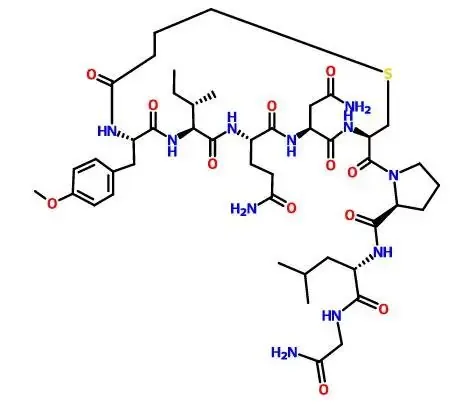
First, let’s start with what I see daily as a supplier. First-line drugs are your go-to, first-choice agents for a newly diagnosed patient with a specific cancer type. Like, if a patient walks in with stage 3 colon cancer, we’ve got a standard combo we’ve been shipping for years—those are first-line. They’re picked because of two big things: they have the best proven track record for that exact cancer, and they balance efficacy with tolerability, at least for most people. For example, a lot of lung adenocarcinoma patients get pemetrexed plus cisplatin as first-line, right? That combo’s been the gold standard since it got approved, and data shows it shrinks tumors in around 30-40% of patients, which is way higher than most other options upfront.
Now, second-line is the backup. The stuff you reach for when first-line stops working, or when the patient has a bad reaction to it. Like, if that same colon cancer patient got 6 months of first-line and their tumor started growing again (we call that progression, but let’s keep it casual), then you switch to something else—second-line. Second-line agents are usually less tested upfront, and their success rates are lower, like 10-20% for solid tumors. Why? Because by the time patients get to second-line, their cancer’s usually evolved, it’s resistant to the first stuff we threw at it, and their bodies might already be worn out from the first round of treatment.
Wait, but here’s a common mix-up I see all the time: it’s not just about the drug itself—it’s about the patient and their case. First-line isn’t a one-size-fits-all. For example, a younger, healthier breast cancer patient might get a very aggressive first-line chemo, while an older patient with heart issues might get a milder first-line that’s still effective but doesn’t wreck their heart. Same cancer, different first-line plans. Second-line is even more patient-specific, because you have to account for what they got in first-line, how their body handled it, their other health conditions.
As a supplier, the difference hits our inventory hard. We have to keep way more first-line in stock because they’re the first thing clinics order when a new diagnosis comes in. Like, right now, our shelves have 12 different first-line agents for non-small cell lung cancer alone, and we rotate stock every two weeks because they have expiry dates. Second-line? We don’t keep as much on hand, because they’re only needed if first-line fails. But we can’t let them run out either—if a clinic calls at 2 a.m. saying their patient’s progressing and needs second-line stat, we’ve got to deliver that same day. That’s the stuff no one talks about when they’re just reading the drug labels.
Another big difference: mechanism of action, but keep it real. First-line agents are often either chemo that targets rapidly dividing cells (like paclitaxel) or immunotherapies that work on specific biomarkers—like pembrolizumab for MSI-high cancers. They’re designed to hit the cancer hard early, before it has a chance to spread. Second-line, on the other hand, might be a drug that targets a specific mutation that popped up after first-line treatment, or a chemo that’s used less often because it’s harsher, or even a targeted therapy that wasn’t approved first because it was less effective upfront. For example, osimertinib is first-line for EGFR-mutated lung cancer, but if the patient gets a T790M mutation after osimertinib, then azd9291 is second-line—way more specific to that later mutation, so it works better for that resistant cancer.
Tolerability is another huge gap. First-line is supposed to be manageable for most patients, even if they have side effects—nausea, fatigue, hair loss are common, but doctors can prescribe meds to ease those. Second-line? The side effects are usually worse because the drugs are stronger, or the patients’ bodies are already weaker from first-line. Like, a first-line might have a 20% chance of causing nerve pain, while a second-line for the same cancer has a 50% chance. That’s why doctors don’t jump to second-line unless they have to—they don’t want to make the patient’s quality of life worse before it’s necessary.
Wait, let’s talk about real examples I’ve seen with our clients. Last quarter, a small oncology clinic in Chicago called us panicking. They had a 52-year-old patient with metastatic pancreatic cancer—super tough to treat, by the way. First-line for pancreatic is FOLFIRINOX, a combo of chemo drugs. We shipped it out next day, but two months later, the patient came back with a bad case of neutropenia (low white blood cells, super dangerous for infections), so their doctor switched them to gemcitabine plus nab-paclitaxel, which is a second-line for pancreatic. We had that in stock, delivered it in 24 hours, and the patient lasted an extra 8 months, which is way above the average for second-line pancreatic. That’s the difference: first-line is the first try, second-line is adjusted for what the patient can handle and what the cancer is doing after first-line.
Also, regulatory stuff. First-line agents almost always get approved based on clinical trials that include a broad range of patients, so their data is rock solid. Second-line trials are smaller, because you’re treating a more specific subset of patients who’ve already failed first-line. That means there’s less long-term data on second-line, so doctors have to weigh the risks more carefully. As a supplier, that means we have to make sure we’re only sourcing second-line agents from trusted manufacturers, because there’s less data on their long-term safety, so quality control is even more important.
Another thing: cost. First-line is usually cheaper, because they’ve been around longer, and there are more generic options. Second-line, especially targeted therapies or newer immunotherapies, can be way more expensive. Why? Because they’re developed for a smaller patient population, so the manufacturer has to recoup their R&D costs. As a supplier, we work with insurance companies and clinics to make sure patients can actually get the meds they need, because no one wants a patient who needs second-line to be unable to afford it. We’ve even set up a program for small clinics to get bulk pricing on second-line agents, because we know how tight margins can be.
Wait, but let’s bust a myth here: second-line isn’t a last-ditch effort that never works. Some patients have great responses to second-line. I’ve had a patient with melanoma who got first-line ipilimumab, which worked for a year, then the cancer came back, so they got nivolumab plus relatlimab—second-line, and their tumor is now stable for 2 years. That’s why we keep second-line in stock, because it can make a huge difference for the right patient. And sometimes, if a patient can’t handle first-line, second-line might actually be their first choice—like an older patient with stage 4 breast cancer who can’t tolerate aggressive first-line chemo, so their doctor prescribes a milder second-line agent as first choice. The lines aren’t always as clear as the textbooks make them sound, and that’s something we deal with every day.
As a supplier, the biggest takeaway for me is that first and second-line antineoplastic agents aren’t just different drugs—they’re different tools for different stages of a patient’s cancer journey. We can’t just stock a bunch of meds; we have to understand when each is used, why, and how they interact with a patient’s overall treatment plan. That’s why we train our team to talk to clinics, not just take orders. If a clinic calls and says they need something for a patient who failed first-line, we can point them to the second-line agents we have, explain their tolerability, and help them make the right choice.

If you’re a clinic manager, a pharmacy lead, or someone involved in ordering antineoplastic agents, you probably know how frustrating it can be to get the right drug at the right time. We’ve been in this business for years, and we know that when a patient needs a medication, every minute counts. We stock both first-line and second-line agents for all major cancer types, with fast shipping and competitive pricing, because that’s what our clients need. If you’re looking to stock up, need info on which agents work best for your patient cases, or want to chat about bulk pricing, hit us up for a procurement discussion—we’re here to make this part of oncology as smooth as possible.
Cardiovascular Agents References:
- National Comprehensive Cancer Network (NCCN) Clinical Practice Guidelines in Oncology: Antineoplastic Agent Selection, 2024
- American Society of Clinical Oncology (ASCO): First- vs Second-Line Therapy for Solid Tumors, 2023
- European Society for Medical Oncology (ESMO): Antineoplastic Agent Efficacy and Tolerability by Line of Therapy, 2022
- Journal of Clinical Oncology: Real-World Differences in First- and Second-Line Antineoplastic Agent Utilization, 2023
HK Neopharm Limited
HK Neopharm Limited is one of the most professional antineoplastic agents manufacturers and suppliers in China, also supports customized service. Welcome to buy high quality antineoplastic agents in stock here and get quotation from our factory. For price consultation, contact us.
Address: Room W Unit 6086/f Metro Loft 38kwai Hei St Kwai Chung, Hong Kong
E-mail: sales@hkneopharm.com
WebSite: https://www.hkneopharm.com/
