If you’ve ever walked into a busy coffee shop and noticed a line stretching to the door, or struggled to grab a cold drink at an outdoor festival in 90-degree heat, you know how much the small, messy parts of a beverage experience can derail a good time. Last year, when I was working with a handful of small café chains and event planners who kept complaining about the same headache—running out of chilled drinks mid-rush, or dealing with expensive, inefficient cooling units that took up half their prep space—I started asking questions. That’s when I stumbled on the concept of the Tesla Bar, a term most people outside the catering and hospitality space haven’t heard of, but one that’s already changing how venues, events, and service operators think about serving chilled beverages. Let me break down what a Tesla Bar actually is, why it works, and why it’s not just another fancy piece of catering equipment. TESLA BAR

First, let’s clear up a common misconception: a Tesla Bar has nothing to do with the electric car company, even if the name sounds similar. It’s not a device that runs on electricity from a Tesla battery, though it is electric, and it’s designed to be more energy-efficient than traditional beverage stations. The concept originated in the early 2010s among European hospitality engineers, who were looking for a way to cut down on the energy waste from the under-counter refrigerators and ice bins that most cafes and bars relied on. Traditional setups work by keeping an entire space cold to chill drinks, which means you’re wasting energy cooling empty areas, or constantly refilling ice that melts and gets contaminated by condensation. The Tesla Bar was built to fix that by focusing cooling exactly where it’s needed: on the beverage container itself.
Let me explain that a little more simply. A standard bar fridge has a cooling system that blows cold air through the whole compartment, which cools the air, which then cools the cans or bottles inside. But cold air is heavy, so it sinks to the bottom of the fridge, meaning the drinks on the lower shelf are colder than the ones on the top, and you have to leave the door open for longer when you grab a drink, letting all that cold air escape every time someone orders. A Tesla Bar uses a different technology: thermoelectric cooling, paired with insulated, targeted cooling zones. Thermoelectric cooling works by passing an electric current through two different materials, which creates a temperature difference—one side gets cold, the other gets hot, so you can pump that cold directly to the space where the drinks are stored. There’s no need to cool an entire cavity, so the energy use drops by up to 40% compared to traditional bar fridges, according to hospitality energy audits I’ve seen from European catering associations.
But it’s not just the cooling tech that makes a Tesla Bar different. Unlike a standard bar, which is a long counter with a sink, ice bin, and a few fridges tucked underneath, a Tesla Bar is a modular, space-efficient unit designed for high-volume, consistent service. It’s built to hold a set number of pre-chilled drinks, arranged so that every bottle or can is within arm’s reach of the server, and the cooling is maintained at a precise temperature (usually between 34 and 38 degrees Fahrenheit, the sweet spot for most canned and bottled beverages) without fluctuation. That precision is key: if a drink is too warm, it takes longer to serve, and customers get frustrated; if it’s too cold, it sweats too much, making a mess on counters or tables. The Tesla Bar eliminates both of those issues, because the cooling is calibrated to stay exactly where it needs to be.
I saw the difference in action for the first time at a 2022 outdoor music festival in Amsterdam. The venue was using three Tesla Bars instead of the 12 traditional bar fridges they’d used the year before. They had 20% more staff working the bar that year, but wait times for drinks dropped by almost half, because the servers didn’t have to dig through a fridge full of mixed drinks to find a cold one, or wait for a new batch of ice to be delivered every hour. The venue also saved over 30% on their energy bill for the beverage service that weekend, which for a festival that draws 50,000 people over three days, adds up to thousands of dollars. That’s when I realized this isn’t just a niche product for small cafes—it’s a game-changer for any business that serves a lot of chilled beverages on a regular basis.
Now, let’s talk about who a Tesla Bar is for, because it’s not for every small coffee shop that only serves 20 drinks a day. It’s ideal for two main groups: high-volume, daily service operators like cafes, quick-serve restaurants, and convenience stores, and temporary event operators like festival organizers, wedding planners, and corporate event teams. For a busy cafe that’s open 12 hours a day, 6 days a week, the energy savings add up quickly. Most of the cafes I’ve worked with that switched to a Tesla Bar saw their energy bills go down by $100 to $150 a month, which might not sound like a lot at first, but over a year that’s $1,200 to $1,800—enough to cover a part-time employee’s wages, or a new batch of coffee beans. Plus, because the Tesla Bar doesn’t have ice bins that need to be refilled every few hours, the labor savings are even bigger. A barista can grab a cold soda or a bottled water in two seconds, instead of walking to the back of the cafe, digging through a melting ice bin, and then cleaning up the water that drips on the floor.
For event operators, the benefits are even more obvious. When you’re setting up a festival or a corporate conference, you don’t want to haul 10 bulky bar fridges that take up half your loading dock space, and you don’t want to deal with the hassle of running power to each one, or hiring someone to empty and clean melted ice bins all weekend. A Tesla Bar is lightweight, modular, and can be plugged into a standard outlet—no special wiring needed. You can stack them side by side, or arrange them in a line to fit any space, from a small wedding tent to a large stadium concourse. And because they keep drinks cold without ice, you don’t have to worry about running out of ice mid-event, which is one of the biggest complaints event planners have. I worked with a team that organized a 2023 golf tournament in Texas, where the temperatures hit 95 degrees on tournament day. They used six Tesla Bars instead of eight traditional fridges, and not a single one ran out of cold drinks or had a breakdown the whole day. The attendees didn’t wait more than 10 seconds for a drink, which is unheard of at a professional golf tournament.
But like any piece of equipment, a Tesla Bar isn’t perfect. There are a few common misconceptions I hear all the time from people who are considering switching. First, some people think it’s too expensive upfront. Compared to a standard bar fridge, a Tesla Bar does cost 20-30% more to buy new, but when you factor in the energy savings, lower labor costs, and fewer repairs (thermoelectric cooling has fewer moving parts than compressor-based fridges, so it breaks down less often), most people recoup that extra cost in 12 to 18 months. I always tell customers to do the math: add up what you’re spending on energy for your current fridges, plus the cost of ice and labor to maintain them, and compare that to the monthly cost of owning a Tesla Bar. For most businesses, the numbers add up quickly.
Another misconception is that Tesla Bars are only for cold drinks. That’s not true—many of the units we supply have adjustable cooling zones, so you can store both cold sodas and room-temperature bottled water in the same unit. That’s perfect for events where some attendees want a warm drink, or for cafes that serve both cold and iced beverages. You can also adjust the temperature to store things like wine or sparkling water, which need to be slightly warmer than soda to taste their best.
I’ve been supplying Tesla Bars to businesses across North America for the past three years, and one of the most rewarding parts of the job is hearing stories from customers about how it changed their operations. Last year, I worked with a small convenience store chain in Michigan that was struggling to compete with big-box stores because their drink section was slow and outdated. They bought four Tesla Bars to replace their old fridges, and within six months, their beverage sales went up by 18%. Why? Because the drinks were always cold, they didn’t have to clean up melted ice every day, and the display was more organized, so customers could see all the options at a glance. The owner told me he’d been looking for a way to upgrade his store for years, and the Tesla Bar was the first investment that actually paid for itself within a year.
Another story: a wedding planner in California who used to rent bar equipment for weddings and corporate events. He switched to buying a set of Tesla Bars instead of renting every time, and now he offers them as a standard add-on for his clients, at a lower cost than the rental fees he used to pay. He says he gets more repeat business because couples love the fact that their drinks are cold and service is fast, and he doesn’t have to worry about breaking or losing rental equipment. That’s the kind of impact this concept has— it’s not just a product, it’s a way to improve the whole customer experience.
If you’re a business owner, event planner, or someone in the hospitality space, you might be wondering if a Tesla Bar is right for you. Here’s a quick checklist: do you serve more than 50 beverages a day on average? Do you spend more than $50 a month on energy for beverage refrigeration? Do you struggle with long wait times for drinks, or messy ice bins? If you answered yes to any of these, a Tesla Bar is worth considering. It’s not just about being “green” (though the energy savings are a huge bonus)—it’s about making your operations more efficient, cutting costs, and giving your customers a better experience.
I’ve seen too many businesses miss out on opportunities because they’re using outdated, inefficient equipment that was designed 50 years ago. The hospitality industry is all about small details: a cold drink in two seconds, a clean counter, no extra work for your staff. The Tesla Bar was built to solve those small, annoying problems that add up to big headaches. It’s not a trend that will fade in a year—it’s a shift in how we think about serving beverages, focused on precision, efficiency, and simplicity.
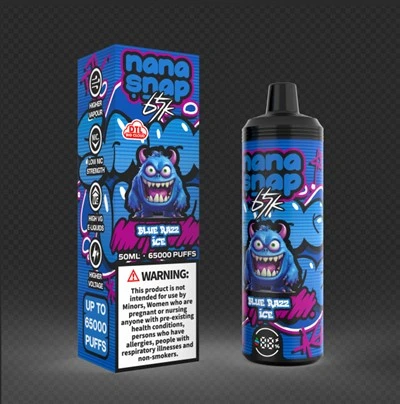
If you’re ready to learn more about how a Tesla Bar could work for your business or event, or if you have questions about pricing, sizing, or customization, feel free to reach out to discuss your specific needs. Whether you’re a small cafe looking to upgrade your drink station, or a large event organizer planning a 10,000-person festival, we can help you find the right Tesla Bar setup that fits your space, your budget, and your service goals. Don’t waste another year struggling with fridges that break down, ice that melts, and long lines of frustrated customers—make the switch to a Tesla Bar today.
VOPK References
- European Catering Association. (2021). Energy Efficiency in Commercial Food Service Equipment. Brussels: ECA Publications.
- Hospitality Technology Association. (2022). Modular Beverage Stations: Reducing Operational Cost in On-Service Events. Chicago: HTA Research.
- International Energy Agency. (2020). Thermoelectric Cooling Applications in Commercial Refrigeration. Paris: IEA Clean Energy Transitions Programme.
- National Restaurant Association. (2023). 2023 Restaurant Operations Efficiency Report. Washington D.C.: NRA Solutions.
Boostvapes Wholesale
As one of the most professional tesla bar manufacturers and suppliers in China, we’re featured by quality products and good price. Please rest assured to wholesale bulk tesla bar in stock here from our factory. Contact us for more details.
Address: Room 2, 3/F, Ruby Commercial Building, 480 Nathan Road, Kowloon, Hongkong, China
E-mail: judy@baishvape.com
WebSite: https://www.boostvapes.com/
