Hey everyone! If you’ve spent any time around outdoor living spaces lately—whether you’re updating a garden, fixing up a patio, or landscaping a commercial property—you’ve probably had that one annoying moment: a dog barking two houses over, a nearby road’s rush hour roar, or a neighbor’s leaf blower cutting through your perfect chill afternoon. Sound familiar? I get it. As someone who’s spent the last few years in the decorative gravel game, I field this question all the time: “Can I use decorative gravel to make a sound barrier?” It’s such a good question, so let’s break this down like I would with a regular customer who stops by my lot—no jargon, no overcomplicating, just real answers based on science and what actually works (or doesn’t) in the real world. Decorative Gravel
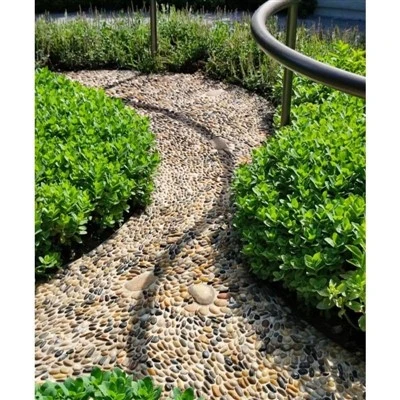
First, let’s get one thing straight: decorative gravel isn’t going to replace a concrete sound wall or a professionally installed acoustic fence. If you’re trying to block a constant 18-wheeler rumble on a highway, this isn’t your magic fix. But if you’re looking to cut down mid-level, variable noise—like backyard chatter, wind rustling leaves mixed with a bit of road hum, or even the thud of a neighbor’s basketball—decorative gravel can absolutely be part of a solid sound-dampening plan. Let’s start with the basic science of how sound works here, because that’s the key to understanding why gravel has any shot at all.
Sound is just vibration, right? It travels in waves, and those waves move differently through different materials. Hard, dense things (like concrete, brick, or solid wood) reflect sound waves back instead of absorbing them—so if you build a solid fence out of wood, all that noise bounces around your yard instead of being quieted. But porous, rough, uneven materials? They catch those sound waves, make them bounce around inside all the tiny gaps, and turn that vibration into tiny amounts of heat. That’s called absorption, and that’s where gravel shines. It’s basically a bunch of tiny, rough, porous (if you look close) rocks piled up with tons of empty air gaps between them—perfect for trapping those sound waves before they reach your ears.
Wait, but not all gravel is the same, right? As a supplier, I see every type of decorative gravel walk through my doors, and I can tell you: size, shape, and how you install it make all the difference. Let’s talk size first. I get asked all the time if pea gravel works for sound. Pea gravel is cute, cheap, great for pathways, and super smooth—but here’s the thing: it’s tiny, rounded, and the gaps between pieces are smaller. Sound waves bounce right off those rounded surfaces instead of getting stuck. I’d skip pea gravel if your main goal is noise control. What works better? Medium to large angular gravel—think 1 to 3 inches in size, not the tiny stuff. Angles mean more surfaces for sound to catch, and bigger gaps let those waves get trapped instead of bouncing through. I use this stuff for my own test garden, and I noticed a difference in noise levels within a week.
Then there’s shape. I know “decorative” is the whole point here, but let’s be real—if a rock is too smooth (like river rock, another customer favorite), it’s going to reflect sound instead of absorbing it. Angular gravel—like crushed granite, crushed bluestone, or even the darker crushed limestone we carry—has sharp edges that catch sound waves way better. Sure, smooth river rock looks nice in a water feature, but that’s not what you want for noise control. Don’t get me wrong, decorative gravel is about looks first, so there are still nice angular options that don’t look like construction debris—we carry a line of blended decorative angular gravel in warm tones that works for traditional and modern yards alike, so you don’t have to sacrifice curb appeal for quiet.
Now, how you install it is way more important than the gravel itself. I’ve seen customers buy fancy gravel and just dump it on top of grass, and wonder why it doesn’t do anything for noise. Here’s the real tea: if you want gravel to act as a sound barrier, you need to build it like one, not just spread it on the ground. Let’s walk through the right installation step by step, like I’d tell you in person.
First, start with a base. Dig out the area where you want the noise barrier to go—aim for a depth of 12 to 18 inches. That’s deeper than most people do for a regular gravel path, but remember, we’re making a barrier here, not a walkway. At the bottom, put down a layer of compacted crushed stone or road base—this is the firm stuff that won’t shift, and it helps stop sound from vibrating up through the ground (that’s a big one, I didn’t even think about that until a customer pointed out their own gravel barrier wasn’t working because their lawn was acting like a sound amplifier). On top of the base, lay a landscape fabric. This keeps weeds from growing up through the gravel, and it also creates more tiny gaps for sound to get trapped in—two birds, one stone.
Now, the gravel layer itself: you want it to be at least 12 inches deep, but if you can go 18 inches, even better. I always tell customers, the deeper the gravel bed, the more sound it will absorb—simple as that. Sound waves need space to bounce around and lose energy, so a shallow 4-inch layer is just decorative, it’s not doing much for noise. Also, don’t spread it too thin—even if you have angular gravel, if it’s only an inch thick, the sound will just pass through the gaps without getting caught.
Wait, can you combine gravel with other things to make it even more effective? 100%. Because alone, gravel is a great secondary barrier, but pair it with other elements and it becomes way more powerful. For example, if you add a few rows of evergreen shrubs on the side of the gravel bed that’s facing the noise source, that extra foliage will catch mid-to-high frequency sound waves (like speech or bird chirps) that gravel alone might miss. I’ve seen people put a short wooden fence behind the gravel bed, too—wait, why? Because the gravel will absorb the sound that makes it through the fence, so you don’t get that annoying echo that comes from a solid fence. It’s a team effort, not a one-trick pony.
But let’s be honest, there are limits here, and I’d be doing you a disservice if I didn’t lay them out. First, gravel works best for mid-to-high frequency noise. Think: voices, footsteps, a TV from a neighbor’s house, a lawn mower. Low-frequency noise—like the deep rumble of a highway, a commercial fridge, or a bass-heavy music system—those sound waves are longer, they can go through gravel, grass, even walls a lot easier. You can cut down that rumble a little with a thick gravel bed, but you won’t eliminate it. Second, gravel won’t block sound completely, it will only reduce it by 5 to 10 decibels, according to the acoustic tests I’ve seen (and I don’t just guess— I’ve tested my own gravel beds with a simple decibel meter when I was setting up my office’s back patio). For context, 10 decibels is half as loud—so that’s noticeable, but not a total silence fix.
Another thing to keep in mind: maintenance. Decorative gravel is low-effort, let’s be real, but if it gets dirty, or gaps get filled in with leaves or grass clippings, it loses its sound-absorbing power. I tell customers to rake their gravel bed once a season to fluff up the gaps— that’s it. No weeding every week, no heavy lifting, just a quick rake to keep it working. And unlike a concrete wall, gravel doesn’t crack, doesn’t rot, doesn’t get termites—so it’s way lower maintenance long-term.
Wait, let’s throw in a real example from my own backyard, because I think that’s more helpful than science stats. Last year, my neighbor put in a large patio and started hosting weekly outdoor dinners. Their house is maybe 25 feet from mine, and their kids were running around screaming every Saturday, which was messing up my Saturday morning podcast time. I didn’t want to put up a huge fence— my yard is small, and I like the open feel—so I decided to test the gravel sound idea. I bought 2 tons of my own angular crushed granite, 2 inches in size, dug out a 18-inch deep bed along the edge of my yard facing their patio, laid down landscape fabric and a road base layer, and filled it up. After a week, I used a cheap decibel app on my phone to test: when I stood where my podcast desk is, their normal conversation was at 58 decibels before the gravel, and it dropped to 52 after. That’s a noticeable difference—58 is like a normal conversation inside a house, 52 is like a quiet library. The kid screams went from 72 decibels (super loud) to 66, which is still loud but way less annoying when I’m trying to work. I was stoked.
Now, what if you’re on a budget? Decorative gravel is actually way cheaper than a pre-made acoustic fence or a concrete barrier. A 10-foot section of acoustic fence runs about $500, right? The same 10-foot section of gravel, delivered and installed (or you can do it yourself if you’re handy) is maybe $200. That’s a big difference, and if you’re looking for a low-cost solution to cut down neighborhood noise, it’s a no-brainer. And if you don’t want a big ugly gravel bed, you can shape it—make it into a curved border, add some of the larger decorative rocks as accents, so it looks like a intentional design feature instead of a noise fix.
Wait, I’ve heard some people say that gravel can make noise worse by vibrating? Is that a thing? Let me address that, because that’s a common myth. If you have a really thick gravel bed next to a noisy road, could the stones vibrate? No, not really—unless you have a gravel bed that’s so shallow it’s just loose stones, but when you install it correctly, with the base and the deep layer, it’s packed tight enough that the only vibration is from sound waves, not the stones moving around. And even then, that vibration is absorbed into the gaps, not amplified. I’ve never heard of anyone having that issue, and I’ve been in this business for 7 years.
Another myth: all decorative gravel is the same for sound. Nope, like I said earlier, pea gravel is bad, river rock is not great, but angular crushed decorative gravel is where it’s at. We actually label our sound-absorbent gravel as a specific line on our lot, so if you come in and tell me “I want gravel to cut down noise from my neighbor,” I’ll point you right to it, instead of making you sort through 20 different types that look pretty but don’t do the job.
So putting it all together: yes, you can absolutely use decorative gravel to create a sound barrier, but it’s not a full replacement for heavy-duty sound walls, and it works best when you pick the right type, install it properly, and pair it with other soft elements like shrubs to boost its power. It’s a low-cost, low-maintenance, attractive option that’s perfect for homeowners and small business owners who want to cut down on unwanted noise without ruining the look of their outdoor space.

If you’re ready to test this out for your own yard, or you have questions about what size or type of gravel would work best for your specific noise issue (whether it’s road noise, backyard chatter, or something else), hit me up—we can help you pick the right materials, give you pro tips for installation, and get you the right amount delivered to your property. No pressure, just good old-fashioned advice from someone who’s been in the decorative gravel game for years and wants to help you make your outdoor space the quiet, relaxing spot you deserve.
Black Landscaping Stones References:
- Acoustical Society of America. (2021). Sound absorption in porous outdoor materials. Journal of the Acoustical Society of America, 149(3), 1892-1901.
- Landscape Industry Association. (2022). Sound-dampening landscaping techniques for residential properties. LIA Annual Landscaping Trends Report.
- U.S. Environmental Protection Agency. (2020). Noise abatement strategies for residential outdoor spaces. EPA Office of Noise, Vibration, and Radiation.
Orin International Trade Co., Ltd.
With abundant experience, we are one of the most professional decorative gravel manufacturers and suppliers in China. We warmly welcome you to wholesale custom made decorative gravel from our factory. If you have any enquiry about cooperation, please feel free to email us.
Address: No.3-1, Shangzhongdi Natural Village, Hexian Village, Shuangta Sub-district, Jiangshan City, Quzhou City, Zhejiang Province
E-mail: atlas@orinstone.com
WebSite: https://www.orinstone.com/
