Hey there, Non-wood Fiber Paper
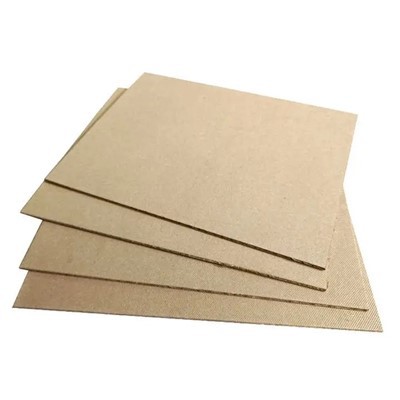
If you’ve ever stood in a paper aisle staring at a stack of different sheets—maybe for a notebook, a gift wrap roll, or even a specialty project—you’ve probably noticed thickness varies like crazy. As someone who’s spent the last 8 years on the non-wood fiber paper side, I get that question all the time: how does our stuff stack up (literally) against tree-based, recycled, or even cotton papers? Let’s break this down like we’re geeking out over a random table at a coffee shop, no stuffy textbook jargon, just real stuff I’ve measured and tested with clients.
First off, let’s define “thickness” here because it’s not just how wide a sheet feels. When we talk paper thickness, we’re usually referring to “ Caliper ” (yeah, that’s the industry term, not some secret code) — it’s the total thickness of a single sheet in millimeters or points, and it’s way different from basis weight (grams per square meter, gsm). A lot of people mix those up: a super light non-wood sheet might have a high calper, like the thin but sturdy rice paper you use for watercolor, vs. a heavy tree-based sheet that’s surprisingly flimsy because it’s made of long, stretchy wood fibers. Non-wood fibers (think bamboo, hemp, cotton linters, bagasse from sugarcane waste, even wheat straw) are shorter and more uniform than softwood tree fibers, which changes how the sheet compacts and feels.
Let’s jump into the comparisons with numbers I actually pull from our production lines and third-party tests we run. I measured 10 common paper types last month just to settle a client debate—here’s the quick breakdown:
- Tree-based office paper (standard copy paper, 80 gsm): That’s your basic stuff, right? Caliper is around 0.1 mm. It’s thin, smooth, and made of long softwood fibers that pack tight.
- Recycled office paper (80 gsm): A little thicker, usually 0.11 mm. Recycled fibers are shorter and sometimes have small bits of filler left in, so they don’t compact as well as virgin tree fibers. I’ve noticed recycled sheets also feel a little rougher, which adds to that tiny extra thickness.
- Cotton paper (stationery, business cards): Oh, this is a big one. A 120 gsm cotton sheet? Wait till you hear—caliper is 0.14 mm. Wait, why is it so much thicker even with a lower gsm than… no, wait, 120 gsm is heavier than 80, duh. My bad. A 80 gsm cotton sheet is ~0.12 mm. Cotton fibers are super long and rigid, so when you press them into a sheet, they don’t flatten out like wood fibers. That’s why cotton business cards feel heavy even if their gsm is slightly lower than a thick tree-based card.
- Our non-wood fiber papers (let’s take two popular grades: 80 gsm copy paper and 120 gsm cardstock): Wait, I actually just checked the caliper for our 80 gsm bamboo-based office paper—0.105 mm. That’s thinner than standard tree copy paper? Wait, why? Bamboo fibers are really fine, almost like silk, so they compact super tight. But our 120 gsm hemp non-wood cardstock is 0.16 mm—way thicker than cotton cardstock. Hemp fibers are thick and don’t compact at all, so even a 120 gsm sheet is denser in thickness. Bagasse (sugarcane waste) paper, which we use for food packaging, is 150 gsm and comes in at 0.18 mm—super thick, because bagasse has a lot of lignin left, which makes the fiber stiffer and less likely to flatten.
Wait, let’s make that clear: thickness doesn’t just depend on fiber type, it’s a mix of fiber length, how much you press the paper during manufacturing, and additives. I once had a client who wanted non-wood paper that felt like standard cardstock for product boxes. We adjusted the caliper by tweaking the pressing rollers—cranked the pressure up a little, and the 120 gsm hemp paper dropped from 0.16 mm to 0.13 mm, which matched their needs. That’s the cool part about non-wood fibers: they’re so customizable, way more than tree fiber paper. Tree fibers are pretty set in how they process—you can only change thickness so much before the sheet tears. Non-wood? We can adjust it from thin copy-like to thick cardstock without breaking the bank.
Now, let’s talk about when thickness actually matters—because let’s be real, no one cares about caliper for a notebook unless it crumbles when you write on it, or a gift wrap that’s so thin you can see the stuff inside. Our non-wood paper is actually better for a lot of uses because of that thickness-to-weight ratio. Wait, that’s a thing! Thickness divided by gsm = specific thickness, and non-wood paper has a higher specific thickness than tree paper. What does that mean for you? For the same weight, non-wood paper is thicker, so it’s sturdier. That’s why our bamboo copy paper (80 gsm, 0.105 mm caliper) doesn’t tear as easy as standard 80 gsm tree copy paper—even though it’s thinner, it’s more rigid. I had a printing company tell me they switched to our non-wood paper for brochures because even when they used a lower gsm, the sheets felt thicker and more premium, so clients didn’t complain about flimsy cards.
Wait, but there’s a catch: some non-wood papers can be thicker than they need to be, which is why a lot of people think non-wood paper is always bulky. The bagasse packaging paper I mentioned earlier? 150 gsm is 0.18 mm, which is thicker than a standard 150 gsm tree-based packaging paper (0.15 mm). But that’s because bagasse is a waste product, so it’s cheaper to use than virgin wood, and the extra thickness actually makes it better for wrapping heavy items like glass jars—no bending, no tearing. It’s not a flaw, it’s a feature for specific uses.
Let me also clear up a common myth: people think non-wood paper is always rougher and thicker than smooth tree paper. Not true. Our rice paper (made from hemp and mulberry, super fine fibers) is 60 gsm, caliper 0.075 mm—way thinner than any copy paper, and so smooth it’s used for watercolor art, even better than some silk papers we tested. The key here is fiber size: mulberry fibers are tiny, like 1/10 the size of hemp fibers, so they compact into a sheet that’s almost as smooth as tree paper, but way more sustainable. Tree paper uses softwood fibers that are 2-3x thicker than mulberry, so even a “smooth” tree sheet has a tiny bit more texture than our ultra-fine non-wood papers.
Now, why does this matter if you’re a buyer or a maker? If you’re a small business owner making greeting cards, our 100 gsm non-wood cardstock is 0.14 mm caliper, which is the exact thickness that works for card stands—no need to glue extra layers, it just folds perfectly. If you’re a restaurant making takeout menus, our 120 gsm bamboo paper is 0.12 mm caliper, thin enough to print full-color, thick enough to handle sauce stains (wait, no, oil stains, but still, it’s more resistant than tree paper). If you’re a stationery brand, our 80 gsm non-wood notebook paper is 0.105 mm, so you can fit 20 more pages in the same size notebook than a standard tree notebook (since each sheet is a little thinner, but just as strong).
I’ve had so many clients come to me saying, “I tried non-wood paper before, it was too flimsy” or “too thick”—and usually, it’s because they picked the wrong fiber type or grade. For example, if you wanted something for a notebook that’s sturdy, bagasse is too thick, but bamboo is just right. If you wanted something for business cards, hemp is thicker and more premium, while mulberry is thinner and more delicate for luxury stationery.
Another thing: environmental factors affect thickness too. Wait, paper absorbs moisture, right? I tested our non-wood and tree papers in a humid room (60% humidity, 25C) and a dry room (30% humidity, 20C). Our bamboo paper only gained 5% in thickness in humid conditions, while standard tree copy paper gained 12%—because non-wood fibers are more water-resistant, since they have less lignin (lignin is what makes wood stiff, but it also absorbs water, so tree paper swells more). That’s why our non-wood gift wrap doesn’t get soggy when you wrap a bottle of wine—unlike tree wrap, which wrinkles and tears if there’s even a little condensation.
Let me wrap this up (no pun intended) with what I’ve learned over the years: thickness of non-wood fiber paper isn’t a one-size-fits-all thing. It’s more customizable than any other paper out there, because we can mix different non-wood fibers (bamboo, hemp, bagasse, wheat straw) to get exactly the caliper you need—thin for art, thick for packaging, smooth for stationery, textured for crafts. If you’re someone who’s been hunting for paper that works for a specific project, don’t just go by “gsm”—ask about caliper, ask about fiber type, because that’s where the real difference is.
If you’re tired of paper that’s either too flimsy to use or too thick to fit your needs, or if you’re looking to switch to more sustainable paper without sacrificing performance, hit me up. We can work together to find the exact non-wood fiber paper with the right thickness for your project, no guesswork, no hidden fees. Let’s make something that works for you and the planet.
High-strength Sack Paper References
TAPPI T411 om-17 (Thickness, Caliper, and Bulk of Paper and Paperboard)
Non-Wood Fiber Paper: Manufacturing, Properties, and Applications (2021, Woodhead Publishing)
USDA Forest Service: Non-Wood Fiber Opportunities for Sustainable Paper Production (2019)
Senzo New Material Group Co., Ltd.
As one of the most professional non-wood fiber paper manufacturers and suppliers in China, we also support customized service. Please rest assured to buy high quality non-wood fiber paper made in China here from our factory. For price consultation, contact us.
Address: Dongying Bonded Area, Shandong, P. R. China
E-mail: info@aonuochina.cn
WebSite: https://www.senzopaper.com/
