If you’ve ever walked along a sun-bleached beach, sipped a glass of sparkling water, or held a piece of concrete in your hand, you’ve interacted with carbonates—compounds built from carbonate ions (CO₃²⁻) and elements like calcium, magnesium, sodium, or potassium. As a carbonate supplier, I get asked this question all the time from construction teams, agricultural specialists, and even water treatment technicians: Where do all these carbonates actually come from? The answer isn’t just one single source; it’s a complex web of natural geological processes, biological activity, and even human activity that has shaped every corner of our planet. Let’s break down these sources, because understanding where carbonates originate helps us deliver the consistent, high-quality products our customers rely on. Carbonates
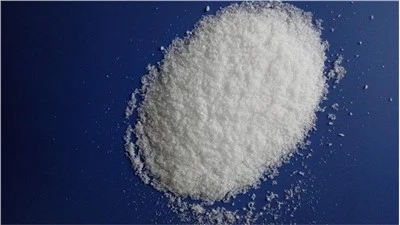
Primary Natural Geological Sources: The Bedrock of Carbonates
When most people think of carbonates, they first picture sedimentary rocks, and for good reason—these are the largest and most accessible natural sources of the compounds. The two big players here are limestone and dolomite, and they form over millions of years through slow, cumulative geological processes.
Limestone is made almost entirely of calcite, a form of calcium carbonate (CaCO₃). Its story starts in ancient oceans, where tiny marine organisms like corals, shellfish, plankton, and algae build their skeletons and shells from dissolved calcium and carbonate ions in seawater. When these organisms die, their remains sink to the ocean floor, layer upon layer, creating thick mounds of organic debris. Over time, pressure from upper sediment layers and chemical reactions squeeze out water and compact the debris into solid rock. Some limestone deposits are even massive enough to span entire continents; for example, the Niagara Escarpment in North America is a 1,000-mile stretch of limestone that formed 450 million years ago, once home to vast tropical reefs.
Dolomite is another key geological source, closely related to limestone but with a twist. Where limestone is pure calcium carbonate, dolomite (or dolostone) is made of calcium magnesium carbonate (CaMg(CO₃)₂). It forms when mineral-rich groundwater seeps through existing limestone deposits, replacing some of the calcium ions with magnesium over thousands to millions of years. This process, called dolomitization, creates a rock that’s harder and more chemically stable than limestone, making it ideal for uses like road base, concrete aggregates, and agricultural soil amendment.
Beyond sedimentary rocks, carbonates also form through igneous processes, though these are far less common and more niche. Carbonatite is a rare type of igneous rock that forms deep in the Earth’s mantle, where high temperatures and pressure allow carbonate minerals to crystallize directly from magma. These deposits are highly concentrated, making them valuable for producing sodium carbonate (soda ash) and other specialty carbonates, even though they make up less than 1% of all igneous rocks. For our business, carbonatite deposits give us access to specialty carbonate grades that can’t be sourced as easily from limestone or dolomite, perfect for customers in glass manufacturing and chemical production.
Biological Carbonates: Living Things as Carbonate Factories
If geological processes are the slow, steady hands that build carbonate rocks, living organisms are the dynamic, fast-paced biological factories that produce carbonates every single day. This is a source we interact with constantly, and it’s one that’s critical for both natural ecosystems and human products.
Marine life is the superstar here. Coral reefs, often called the “rainforests of the sea,” are built entirely by tiny coral polyps that secrete calcium carbonate to form their hard exoskeletons. A single large coral colony can produce thousands of pounds of carbonate over its lifetime, and entire reef systems like the Great Barrier Reef stretch for thousands of miles, storing enormous amounts of carbonate. Shellfish like oysters, clams, mussels, and scallops also make their shells from calcium carbonate, as do microscopic organisms called coccolithophores and foraminifera, whose tiny carbonate skeletons accumulate on the ocean floor over time to form chalk. Chalk is a soft, white sedimentary rock you’ve probably held at some point—it’s made almost entirely of the fossilized skeletons of these tiny marine organisms, and it’s a key source for making blackboard chalk, calcium supplements, and even some types of paint.
Terrestrial life also contributes to biological carbonates, though it’s less visible. Some plants, like calcium-rich leafy greens, store carbonate in their tissues, but the biggest terrestrial source is calcareous soil, which forms when plant and animal debris decomposes in environments with high calcium levels. Livestock manure, for example, contains significant amounts of carbonate, and when it breaks down, it adds carbonates to soil to buffer pH, a key benefit for agricultural customers who use our carbonate products to improve soil health. Even human activity relies on biological carbonates: many calcium carbonate supplements are derived from crushed oyster shells, turning a waste product from seafood processing into a high-quality carbonate ingredient.
Anthropogenic Sources: Human Activity as a Surprising Carbonate Producer
You might not think of factories and power plants as carbonate sources, but human activity actually generates large amounts of carbonate as a byproduct of industrial processes. These anthropogenic (human-made) sources are becoming increasingly important as we look for sustainable ways to source carbonates without tapping into finite natural rock deposits.
The single largest source of anthropogenic carbonate is flue gas desulfurization (FGD) gypsum, a byproduct of coal-fired power plants. When coal is burned, it releases sulfur dioxide, a pollutant that causes acid rain. To remove sulfur dioxide from smokestack emissions, power plants inject a slurry of crushed limestone (calcium carbonate) into their flue gases. The limestone reacts with sulfur dioxide to form calcium sulfite, which then oxidizes into calcium sulfate dihydrate—better known as gypsum. Wait, I know that sounds like gypsum, not carbonate, but here’s the catch: some of the unreacted limestone from this process remains, mixed in with the gypsum, and it’s highly pure calcium carbonate. This byproduct is now a valuable secondary source of carbonate for construction and agricultural customers, and it’s a sustainable alternative to mining virgin limestone.
Other industrial processes also produce carbonate byproducts. For example, the production of aluminum oxide (alumina) for aluminum metal generates a waste stream called red mud, which contains sodium carbonate and calcium carbonate. Pulp and paper mills also produce lime mud, a byproduct of the chemical recovery process that has high levels of calcium carbonate. As a supplier, we’ve invested in processing these industrial byproducts to extract high-purity carbonate, which not only reduces waste going to landfills but also lowers the carbon footprint for our customers who choose to use these sustainable products. It’s a win-win—we’re turning industrial waste into a valuable resource, and our customers get the carbonate they need without the environmental impact of mining new rock.
Why This Matters For Our Customers: Matching Source to Product Grade
Understanding where carbonates come from isn’t just a fun geological fact—it’s critical for choosing the right carbonate for your application. Not all carbonates are created equal, and their source determines their purity, particle size, chemical stability, and suitability for different uses.
For example, construction customers making concrete or road base often rely on limestone and dolomite from geological deposits. These rocks are abundant, affordable, and strong enough to withstand heavy loads and weathering. Agricultural customers, on the other hand, often use carbonate from biological sources like oyster shells or calcareous soil, because these sources release carbonate slowly, helping to balance soil pH over time without shocking plants. Water treatment customers, who use carbonate to adjust pH and soften water, may prefer specialty carbonate from carbonatite deposits, which has higher purity and fewer impurities that could interfere with water chemistry.
And for customers focused on sustainability, the anthropogenic carbonate byproducts I mentioned earlier are a game-changer. They have a much lower carbon footprint than mined carbonates, because they’re diverting industrial waste from landfills and don’t require the energy-intensive process of blasting, crushing, and transporting virgin rock. Many of our manufacturing partners are now looking for these sustainable carbonate sources to meet their own environmental goals, and we’ve worked hard to develop a reliable supply chain for these materials.
Wrapping Up: The Constant Cycle of Carbonates
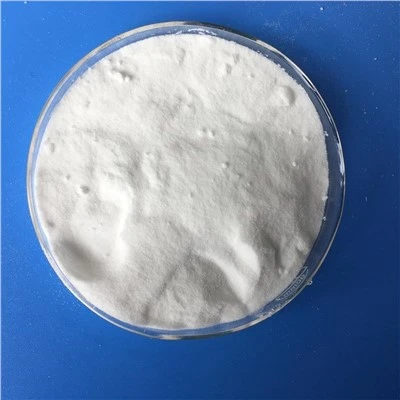
Carbonates are everywhere, from the rocks under our feet to the organisms in the ocean to the industrial byproducts from our cities. Their sources are as varied as the uses we have for them, and as a carbonate supplier, I’ve spent years learning how to access the best sources for every customer’s needs. Whether you’re a construction manager needing large volumes of limestone for a highway project, a farmer looking to improve soil health with high-grade agricultural carbonate, or a chemical manufacturer needing specialty carbonate for glass production, the source of your carbonate matters.
Chlorides If you’re ready to discuss your specific carbonate needs—whether you’re looking for virgin geological carbonate, sustainable industrial byproduct carbonate, or biological carbonate for a unique application—we’re here to help. Our team can walk you through the different source options, explain the benefits of each, and work with you to find the right product at the right price for your project. Don’t hesitate to reach out to start a conversation about your carbonate requirements.
References
- Blatt, H., Tracy, R. J., & Owens, B. E. (1980). Principles of Sedimentary Petrology. W.H. Freeman and Company.
- Morse, J. W., Arvidson, R. S., & Luttge, A. (2007). Calcium carbonate formation and dissolution. Chemical Reviews, 107(2), 342-381.
- Scholle, P. A., Bebout, D. G., & Moore, C. H. (1983). Carbonate Depositional Environments. American Association of Petroleum Geologists.
- Vongshan, Z., & Yongming, Z. (2019). A review of flue gas desulfurization gypsum utilization in China. Resources, Conservation and Recycling, 146, 254-263.
- Westbrooks, E. J., & Kennedy, A. W. (1988). Calcareous Soils: Their Formation, Properties, and Management. Soil Science Society of America.
Jiangsu Kolod Food Ingredients Co., Ltd.
We are one of the most professional carbonates manufacturers and suppliers in China, featured by quality products and good price. Please rest assured to wholesale bulk premium carbonates made in China here and get free sample from our factory. Customized orders are welcome.
Address: South Side of Weier Road, Guanyun Development Zone, Lianyungang City, Jiangsu Province, China
E-mail: sales1399@jskolod.com
WebSite: https://www.kolodfoodingredients.com/
