If you’re reading this, you’re probably someone who works in industrial power management, plant maintenance, or electrical procurement—and high and low voltage switchgear isn’t exactly new to you. As a supplier of both, I get asked a lot why we push certain designs over others, or why we sometimes advise clients to consider tweaks to their existing gear. Most of the time, the conversation starts with: “Wait, switchgear’s just boxes with switches, right? What could go wrong?” Well, I’ve been in this game for 12 years, I’ve seen every scenario from a 2AM plant outage that shut down a packaging line for 18 hours, to a minor nuisance that turned into a $100k repair bill. Let’s cut the jargon and talk about the real disadvantages of both high and low voltage switchgear—because not all gear is created equal, and cutting corners (or ignoring quirks) costs way more than investing in the right setup. High and Low Voltage Switchgear
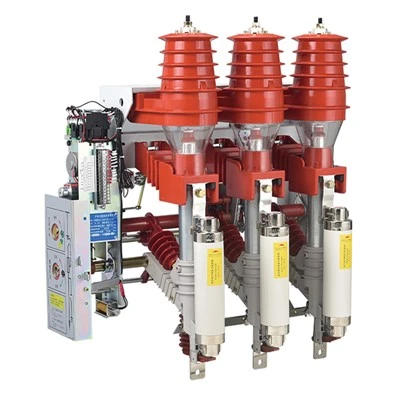
First, let’s split this up because high voltage (HV, typically 1kV and up to 35kV, the stuff that runs big factories, substations, or remote power grids) and low voltage (LV, under 1kV, for control rooms, office buildings, or heavy machinery) have very different issues. I’ve seen mistakes made on both ends, so I’ll cover the ones that trip most people up.
Starting with HV switchgear, because that’s the one most folks associate with big, loud, expensive problems. The biggest one that people don’t talk about enough is maintenance complexity. Unlike LV gear, a lot of HV setups are enclosed or buried in switchrooms that aren’t super easy to access—especially if you’re using older air-insulated switchgear (AIS, the kind with exposed circuit breakers and busbars). Last year, a food processing plant client of mine had a routine inspection that revealed a tiny layer of dust buildup on their 10kV busbars. That dust might not sound like a big deal, but in dry climates, it creates a conductive path that can cause a flashover—aka a sudden electrical arc that can blow out the breaker, damage the gear, and even hurt anyone nearby. The kicker? They didn’t have the right maintenance tooling. HV work requires specialized PPE, dielectric gloves, and calibrated test meters that cost a few grand, and if your techs don’t train regularly (which a lot of small plant teams skip because they’re busy), you’re one missed inspection away from a shutdown. Then there’s the alternative: gas-insulated switchgear (GIS), which is sealed with SF6 gas, way cleaner, but man, the maintenance is a nightmare in terms of specialized knowledge. You can’t just pop it open and check; SF6 is a greenhouse gas, and leaks mean you have to hire a certified specialist to test, recharge, or repair it. A client had a GIS setup leak a small amount of SF6 and didn’t notice for six months—by the time they did, the breaker was tripping randomly 10 times a week, and they had to shut down their distribution center for two days to fix it. That’s not a small cost.
Another HV-specific disadvantage is footprint and scalability. If you’re building a new factory or expanding an existing substation, HV switchgear takes up a ton of space. AIS might be more affordable upfront, but if you’re short on room, GIS is smaller, but it’s way pricier—like 2-3x the cost of AIS. I worked with a solar farm developer last year who tried to cram their 20kV switchgear into a space that was half the size the engineer recommended. They went with the cheaper GIS, but when they wanted to add a new inverter bank a year later, there was zero room left. They had to rip out a whole section of the switchgear to make space, which cost them twice the initial “savings” from going with GIS. And don’t even get me started on fault current handling. HV gear has to be rated for the maximum fault current the grid can throw at it, and if you undersize that rating, you’re looking at a catastrophic failure. I saw a mine a few years back that used a 15kV breaker rated for 20kA, but their grid’s fault current was 25kA. During a storm, a tree fell on a line, the breaker couldn’t trip fast enough, and the arc destroyed three transformers and half the conveyor system. The insurance covered most of it, but they lost $40k in production in two days. That’s the kind of disadvantage that’s hidden in the fine print when you buy gear that’s just “good enough” instead of built for your specific grid.
Now, let’s shift to low voltage switchgear, which a lot of people think is “low risk” because it’s smaller, easier to work on. Spoiler: that’s where most of the annoying, frequent problems happen. First, thermal management is a huge one. LV switchgear runs a lot of heavy machinery—motors, pumps, HVAC units—so the busbars and breakers inside get hot. If the ventilation is bad, or if the connections are loose (which happens over time with vibration from running equipment), you get hotspots that can cause insulation to degrade, or even melt the gear. Last month, a hotel client had their LV switchboard in the basement, and they never cleaned the dust out of the ventilation grills. Over a year, the heat built up, and a breaker’s terminal melted, causing a small fire. It was contained, but they had to replace the whole switchboard, and they lost power to 10 floors during renovations. The worst part? It was avoidable—just a monthly check of the vents and connections would have caught the loose terminal. Another LV-specific issue is coordination between breakers. LV switchgear is a network of small breakers, and if they’re not coordinated right, a minor fault in one machine can trip the whole board. I had a manufacturing client where a single press had a faulty motor, and their breakers were set so the main board tripped instead of just the press breaker. For three years they didn’t notice—until the press tripped at 2AM, and no one was there to reset it, so the whole line was down when the morning shift showed up. They lost $15k in orders that day, all because the breakers were mismatched when the gear was installed.
Wait, but let’s not forget the overlap issues—times when you’re working with both HV and LV gear together, because that’s where a lot of miscommunication happens. For example, when you step down from HV to LV, there’s a transformer and a medium voltage (MV, between 1kV and 35kV) switchgear that ties them together. If that MV gear isn’t compatible with both the upstream HV and downstream LV, you get what’s called “harmonic distortion.” Harmonics are weird electrical waves that can fry sensitive electronics—like the building’s security system, PLCs for the factory floor, even your office computers. A client in the tech industry had this last year; their MV switchgear was old, and the harmonics were so bad that their server room’s UPS was tripping randomly. It took us three weeks to trace it back to the switchgear, and they had to replace three UPS units that were damaged. That’s a disadvantage no one plans for—harmonics aren’t visible, you can only pick them up with specialized test gear, and a lot of cheaper switchgear skips the filters to cut costs.
Another big one, across both HV and LV, is obsolescence. Switchgear isn’t like a car that you replace every 5 years; good gear can last 20, even 30 years. But the problem is, manufacturers stop making parts for old models pretty quickly. I had a client with a 25-year-old HV AIS setup that had a breaker fail. The manufacturer told us they no longer made the exact breaker, and the replacement would require modifying the entire busbar system, which cost $80k. They ended up having to replace the whole HV switchgear, even though half of it was still working perfectly. That’s the hidden cost of buying off-the-shelf gear that’s not supported long-term—you’re stuck with a paperweight when a single part breaks, instead of being able to swap out a $500 breaker.
Wait, let’s be clear: this isn’t to bash switchgear. Switchgear is the unsung hero of electrical systems—it protects people, equipment, and prevents way worse problems than the ones I’m talking about. But the disadvantages I’m laying out are real, and they’re not just “industry stuff”—they cost businesses money, time, and even safety. So what can you do? Don’t just buy the cheapest gear. When you’re spec’ing out switchgear, talk to a supplier who knows their stuff (that’s us, fyi) about your specific needs: your fault current, the space you have, how often you can do maintenance, and whether you need parts support for the next 20 years. For HV, make sure you factor in maintenance costs—AIS might be cheaper upfront, but if you can’t do regular inspections, GIS might be worth the extra cost. For LV, don’t skip the thermal checks and breaker coordination when the gear is installed; it’s way cheaper than fixing a shutdown later.
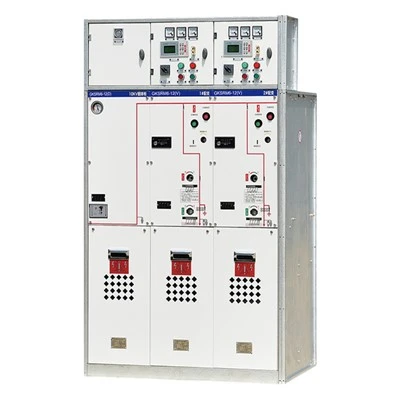
If you’re dealing with an existing setup that’s giving you headaches—random trips, heat issues, obsolescence problems—hit us up to chat. We don’t push the most expensive gear, we’ll help you figure out the best solution for your budget, whether that’s retrofitting your current switchgear or upgrading to something that fixes those hidden flaws. No sales pitch, just straight talk, since I’ve seen enough of these issues to know that working with someone who understands your specific problems makes all the difference.
High and Low Voltage Switchgear References
- International Electrotechnical Commission (IEC) 62271-1: High-voltage switchgear and controlgear – Part 1: Common specifications
- National Electrical Manufacturers Association (NEMA) Standard 250: Low-voltage switchgear and controlgear assemblies
- IEEE Std 242: Recommended Practice for Protection and Coordination of Industrial and Commercial Power Systems
- International Atomic Energy Agency (IAEA): Guidelines for Maintenance of Electrical Switchgear in Industrial Facilities
Zhongtai Electric Power Technology Co., Ltd.
With abundant experience, we are one of the most professional high and low voltage switchgear manufacturers and suppliers in China. We warmly welcome you to wholesale bulk customized high and low voltage switchgear from our factory. If you have any enquiry about quotation, please feel free to email us.
Address: High-tech Industrial Park, Chongren County, Fuzhou City, Jiangxi Province (No. 261 Yingbin Avenue)
E-mail: info@zhongtaielectric.com
WebSite: https://www.zhongtaipower.com/
