Let me start by saying I get asked this question all the time by customers—some who just bought their first dehumidifier, and others who’ve had one gathering dust in a closet for years. I’m Maria, and I’ve been part of the dehumidifier team at our company for six years now, so I’ve answered hundreds of versions of “when is the best time to use a dehumidifier?” The short answer isn’t as simple as “summer” or “rainy season”—it’s tied to something far more practical: your home’s humidity levels, which vary more than you might think. Dehumidifier

First, let’s get one basic fact straight because it’s the foundation of everything: the ideal indoor relative humidity (RH) is between 30% and 50%. That number comes straight from environmental health experts, and when you drift above 50%, problems start popping up. I’ve seen it firsthand—customers come to us with mold on their basement walls, peeling paint in their bathrooms, even allergy flare-ups that their doctors can’t explain. Too little humidity (below 30%) causes its own issues, but dehumidifiers are for the high end, so we’ll focus there.
Summer is the obvious go-to, and for good reason. Warm air holds more moisture, so even a mild, humid summer day can push indoor RH over that 50% threshold without you noticing. I remember last June, a customer from Atlanta came in panicking—his AC was running 24/7, but his basement still felt like a jungle, and he’d found mold growing on his kid’s soccer gear stored down there. Atlanta’s summer humidity often hits 70% or higher, and when that humid air seeps into basements or even first-floor living spaces, your AC isn’t enough to pull out that extra moisture. A dehumidifier running alongside your AC cuts that excess moisture, so your AC doesn’t have to work as hard. That saves you money on energy bills, too—most of our customers see a 10-15% drop in cooling costs once they pair their AC with a properly sized dehumidifier. But summer isn’t the only time.
Wait until early fall, and you might think you can put the dehumidifier away. Don’t. I’ve had customers store theirs in October, only to call us back a month later saying their second floor has a musty smell. Why? Because fall in many places brings a “wet season” that’s not just rain—cooler air can’t hold as much moisture, but if that moisture seeps into your home from uninsulated attics, crawl spaces, or even open windows on mild days, it condenses on cold surfaces like window sills and exterior walls. Even if the temperature drops into the 60s, if your indoor RH is still above 55%, that’s enough for mold spores to start growing. Last fall, a customer from Cincinnati had his furnace turned on for the first time—when warm air from the furnace hit the cold exterior walls, it caused condensation, and before he knew it, black mold was along his baseboards. A dehumidifier running at 30-40% RH through that fall transition period would have prevented that.
Then there’s winter, which surprises a lot of people. I know what you’re thinking—winter is dry, right? Not always. If you live in a place that gets a lot of snow or ice, or if your home has poor ventilation, winter humidity can spike too. How? When you cook, shower, even just boiling water on the stove, you’re adding moisture to the air inside your home. If your house is sealed tight to keep the heat in, that moisture can’t escape. I saw this last winter with a customer in Buffalo—his windows were fogged every morning, and he had condensation dripping off his metal window frames. That’s not just a nuisance; that condensation leads to rot in window sills and mold behind walls. Even though the outdoor air is cold, indoor humidity can hit 60% if you don’t have proper dehumidification. We recommend running a small dehumidifier in areas like the kitchen or bathroom during winter, or a whole-unit model if you’re seeing widespread condensation.
Beyond the seasons, there are specific times when you must use a dehumidifier—even if it’s not the time of year you expect. Let’s start with laundry: when you dry clothes indoors, you release gallons of moisture into the air. If you do a load of laundry and leave the dryer door open to air-dry, that’s a big humidity spike. A customer in Boston told me he’d been doing this for years, and every time he did a load in the winter, his windows would fog up so bad he couldn’t see outside. Running a dehumidifier while you air-dry clothes pulls that excess moisture out before it can cause problems.
Bathroom and basement projects? Another big one. If you’re remodeling a bathroom, laying tile in the basement, or even just painting, those activities release a lot of moisture from paint, grout, and wet materials. I always tell our customers to turn on a dehumidifier during these projects—we had a customer in Chicago who painted his basement walls and didn’t run a dehumidifier; the paint never dried properly, and within a month, it was peeling off because the air was too moist. Even small projects like hanging wet towels or mopping the floor add up, so a dehumidifier keeps the space healthy while you work.
Vacation time is another underrated moment. If you’re leaving for a week or more in the summer, and your home has a tendency to get humid, turning off your dehumidifier is a mistake. I had a customer who went to the beach for two weeks in July—when he came back, he found mold growing on his stored furniture and a bad smell in his closet. The RH in his home had climbed to 65% while he was gone, and mold spores had a field day. If you’re leaving for more than three days, run your dehumidifier on a lower setting to keep RH around 40%—you’ll come back to a home that’s ready, not full of surprises.
Now, let’s talk about the times you don’t need a dehumidifier. If your indoor RH is already at 40%, even on a humid summer day, there’s no need. Running a dehumidifier when it’s not needed wastes energy and can dry out your air too much, leading to dry skin, irritated sinuses, and even damage to wood furniture or musical instruments (like guitars or pianos that need a bit of humidity to stay in tune). Also, if the outdoor air is dry (below 50% RH), you don’t need to run your dehumidifier—you can open windows to ventilate instead, which saves electricity.
One question I get all the time is: how do I know when to turn it on, exactly? The easiest way is to use a hygrometer, which is a small device that measures humidity—many dehumidifiers now have built-in hygrometers that let you set a target RH, so the unit turns on and off automatically. If you don’t have a hygrometer, there are simple tests: if you can see condensation on windows or walls, if your air feels heavy or sticky instead of cool, if you smell a musty odor when you walk in, or if your allergy symptoms are worse indoors than out, that’s a sign your RH is too high, and it’s time to run the dehumidifier.
I’ve learned over the years that the best time to use a dehumidifier isn’t a single time or season—it’s when your indoor humidity crosses that 50% line, no matter what the calendar says. But as a rule of thumb, keep it running from late spring through early fall, and in the winter if you notice condensation or musty smells. And don’t forget those specific moments: laundry day, home projects, when you’re away for a while.
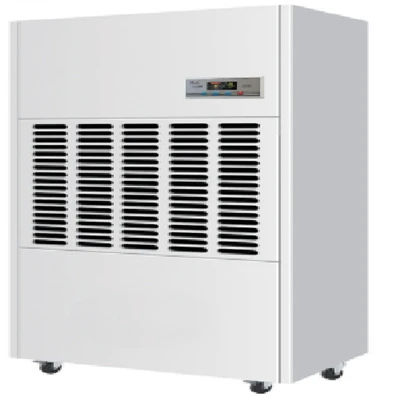
If you’ve noticed your home’s humidity is out of balance, or you’re not sure what size dehumidifier you need for your space, we’re here to help. Whether you’re dealing with a small bathroom or a whole basement, we can guide you to the right model for your needs. Get in touch with our team to discuss your requirements, and we’ll help you find a dehumidifier that works for your space and schedule.
Industrial Dehumidifier References
- U.S. Environmental Protection Agency. (2023). Indoor Humidity and Healthy Home.
- American Society of Heating, Refrigerating and Air-Conditioning Engineers. (2022). Ventilation for Acceptable Indoor Air Quality.
- Centers for Disease Control and Prevention. (2021). Mold Prevention and Indoor Air Quality.
- Energy Star. (2023). Dehumidifier Buying Guide for Energy Efficiency.
- Journal of Environmental Health. (2020). Indoor Humidity Levels and Respiratory Health Outcomes in Residential Settings.
Hangzhou Dayu HVAC Engineering Co., Ltd.
As one of the most professional dehumidifier manufacturers and suppliers in China, we have world-leading production equipment and strong manufacturing capabilities. If you’re going to buy customized dehumidifier made in China, welcome to get quotation from our factory. For price consultation, contact us.
Address: Room 1004, Building 1, Xicheng Business Tower, Xihu District, Hangzhou City, Zhejiang Province, China
E-mail: info@hi-hvac.com
WebSite: https://www.hi-hvac.com/
