Can I use adhesive tape on plastic? That’s a question I get a lot as an adhesive tapes supplier. Plastic is everywhere these days, from household items to industrial equipment. And adhesive tapes, well, they’re a go – to solution for all sorts of fixes and applications. So, let’s dig into this topic and see if using adhesive tape on plastic is a good idea. Adhesive Tapes
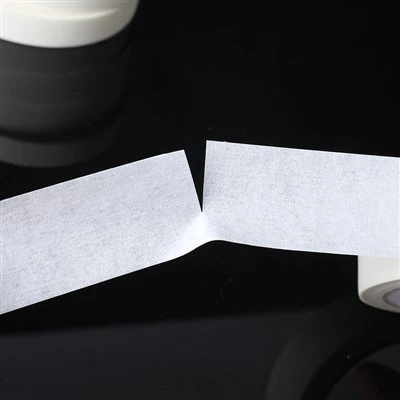
First off, it’s important to understand the different types of plastics out there. There’s a ton of variety, and each type has its own properties. Some plastics are smooth and non – porous like acrylic and polycarbonate. Others are more porous and have a rougher surface, such as polyethylene and polypropylene. The surface texture and chemical composition of the plastic will play a huge role in how well the adhesive tape sticks.
Smooth plastics can be a bit tricky. Adhesive tapes need something to grip onto, and with a super – smooth surface, that can be a challenge. But don’t worry! There are tapes designed specifically for these types of plastics. For example, tapes with a high – tack acrylic adhesive often work well. They can form a strong bond with the smooth surface. I remember a customer who had a clear acrylic display case they wanted to seal. They tried a few different tapes, but the one with the high – tack acrylic adhesive was the winner. It stuck firmly and didn’t leave any residue when they eventually removed it.
Now, let’s talk about porous plastics. Since they have a rougher surface, tapes generally adhere better to them. The pores in the plastic allow the adhesive to seep in a bit, creating a stronger bond. However, you still need to choose the right tape. Tapes with a rubber – based adhesive are often a good option for porous plastics. They can conform to the uneven surface and provide a reliable hold. I once assisted a small – scale manufacturer who was using polyethylene parts in their products. They needed to attach some labels using tape, and the rubber – based adhesive tape did the job perfectly. It stuck well and withstood the normal wear and tear their products went through.
But it’s not just about the type of plastic. The environment where the tape will be used also matters a great deal. If the plastic is going to be exposed to high temperatures, you need a heat – resistant tape. For example, if you’re using tape to repair a plastic component in a car engine area, where temperatures can get pretty high, a regular tape won’t cut it. You’ll need a tape that can withstand the heat without losing its adhesive properties. Silicone – based adhesive tapes are often a good choice for high – temperature applications. They can handle temperatures up to several hundred degrees Fahrenheit without melting or losing their grip.
On the other hand, if the plastic will be in a wet or humid environment, you need a water – resistant tape. Some tapes are designed to repel water and stay stuck even when exposed to moisture. They’re great for applications like sealing plastic pipes in a bathroom or fixing a plastic tote that’s going to be stored in a damp basement. I’ve had customers who use my water – resistant tapes to seal the edges of plastic greenhouses. The tapes keep the structure sealed and prevent water from seeping in, even during heavy rain.
Another factor to consider is the length of time the tape will be on the plastic. If it’s a short – term fix, like temporarily holding a plastic part together during assembly, you might not need a super – strong, long – lasting adhesive. A light – duty tape will do the job. But if it’s a long – term application, like permanently attaching a plastic label to a product, you’ll want a tape that can maintain its bond for years. In this case, high – quality, permanent – type tapes are the way to go.
Now, I’ve talked about the right tapes for different situations, but what about the wrong ones? Using the wrong tape on plastic can lead to some pretty bad outcomes. For example, some tapes may leave a sticky residue when removed. This can be a real pain, especially if you’re using the plastic for something like a display. Other tapes may not stick at all, or they may lose their adhesion over time, causing whatever you’ve attached to come loose. That’s why it’s so important to do a little research and choose the right tape for your specific plastic and application.
As an adhesive tapes supplier, I’ve seen it all. I’ve had customers who’ve made the wrong tape choices and ended up in a bind. But I’ve also helped many others find the perfect tape for their needs. And I’m not just here to sell tapes. I’m here to provide you with the information you need to make the right decision.
So, to answer the question “Can I use adhesive tape on plastic?” The answer is yes, but with some important considerations. You need to think about the type of plastic, the environment, and the length of time the tape will be on. By choosing the right tape, you can ensure a strong, long – lasting bond.
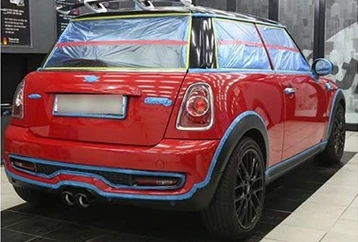
If you’re in the market for adhesive tapes for your plastic applications, I’d be more than happy to help you find the right one. We have a wide range of tapes to suit different needs and budgets. Whether you’re a DIY enthusiast working on a home project or a large – scale manufacturer looking for industrial – grade solutions, we’ve got you covered. Don’t hesitate to reach out if you have any questions or need some expert advice.
Aluminum Foil Tape References
- Handbook of Adhesive Technology, Second Edition, CRC Press
- Plastics Materials, 15th Edition, Elsevier
- Industrial Adhesion and Bonding, Springer Publishing
Yiwu Yubang Adhesive Products Co., Ltd.
As one of the most professional adhesive tapes manufacturers and suppliers in China, we also support custom service. We warmly welcome you to wholesale high quality adhesive tapes made in China here from our factory. If you have any enquiry about cooperation, please feel free to email us.
Address: 4th Floor, No. 17 Gantang West Road, Yiting Town, Yiwu City, Jinhua City
E-mail: salesmanager@yubangtape.com
WebSite: https://www.yubang-tape.com/
