What is the cost of a dry mortar production line? Well, that’s a question I get asked a lot as a supplier of dry mortar production lines. And let me tell you, it’s not a one – size – fits – all answer. There are a bunch of factors that go into determining how much a dry mortar production line is going to set you back. Dry Mortar Production Lines
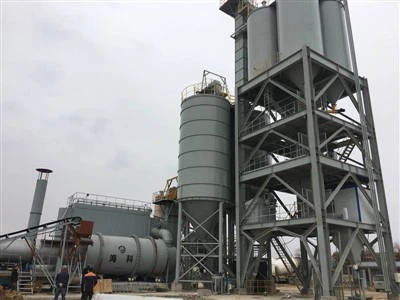
1. Scale of the Production Line
First off, the scale of the production line plays a huge role. If you’re just starting out and you need a small – scale production line, say one that can produce around 5 – 10 tons of dry mortar per hour, it’s gonna be a lot cheaper than a large – scale one. A small – scale line might cost anywhere from $50,000 to $200,000. These smaller lines are great for local businesses or those with a limited market. They don’t take up as much space, and they’re easier to manage.
On the other hand, if you’re looking at a large – scale production line that can churn out 50 tons or more of dry mortar per hour, you’re looking at a much heftier price tag. These big boys can cost anywhere from $500,000 to over a million dollars. The reason for the high cost is that they require more equipment, a larger factory space, and more advanced technology to ensure consistent production at such a high volume.
2. Equipment Quality and Brand
The quality and brand of the equipment also have a big impact on the cost. High – quality equipment from well – known brands is more expensive, but it’s usually worth it in the long run. You see, these brands have spent years perfecting their technology and building a reputation for reliability. Their equipment is less likely to break down, which means less downtime and more production.
For example, if you choose a top – tier mixer for your dry mortar production line, it’ll cost more compared to a cheaper, no – name mixer. But the top – tier mixer will mix the mortar more evenly, which leads to better – quality dry mortar. And in the construction industry, quality matters a huge amount. Customers are willing to pay more for high – quality dry mortar, so investing in good equipment can actually increase your profits in the end.
3. Automation Level
Another factor that affects the cost is the automation level of the production line. A manual or semi – automatic production line is generally cheaper than a fully automatic one. In a manual production line, a lot of the work is done by hand, like loading raw materials, operating the machines, and packaging the final product. This requires more labor, but it also has a lower upfront cost.
A semi – automatic production line has some automated processes but still needs some manual input. For example, the mixing process might be automated, but the loading and packaging could be done by workers. This kind of setup is a good middle – ground for those who want some of the benefits of automation without the high cost.
A fully automatic production line, however, is the most expensive option. All the processes from raw material handling to product packaging are automated. You don’t need as many workers, and the production speed and accuracy are usually much higher. But building and installing a fully automatic production line requires a significant investment.
4. Customization
If you need a customized dry mortar production line, it’ll cost more. Maybe you have specific requirements for the types of dry mortar you want to produce, or you need the production line to fit into a unique factory layout. Whatever the reason, customization means that the manufacturing company has to spend more time and resources on designing and building your production line.
For instance, if you need a production line that can produce a special type of dry mortar with certain additives, the company has to develop the right mixing technology and adjust the equipment accordingly. This extra work adds to the cost.
5. Installation, Commissioning, and Training
Don’t forget about the cost of installation, commissioning, and training. Once you’ve bought the production line, it needs to be installed in your factory. This involves moving heavy equipment, connecting all the parts, and making sure everything is working properly. The installation cost can vary depending on the complexity of the production line.
Commissioning is the process of testing and fine – tuning the production line to ensure it meets your production requirements. It might take a few days or even weeks to get everything running smoothly. And then there’s the training for your staff. They need to learn how to operate the new equipment, maintain it, and troubleshoot any problems. The cost of training can also be a significant part of the overall investment.
6. After – sales Service
Good after – sales service is something you can’t afford to overlook. You want a supplier who’ll be there to help you if something goes wrong with your production line. An experienced supplier with a good after – sales service team will add a bit to the cost, but it’s well worth it.
Imagine if your production line breaks down and you can’t get immediate support. Your production will come to a halt, and you’ll lose money. With a supplier that offers great after – sales service, they’ll send technicians to your site as soon as possible to fix the problem. They might also provide regular maintenance checks to prevent breakdowns in the first place.
Crunching the Numbers
Let’s say you’re a small – to medium – sized business and you’re looking for a production line that can produce around 20 tons of dry mortar per hour. A semi – automatic line with mid – range equipment quality might cost you around $250,000 – $350,000. This includes the cost of the equipment, installation, commissioning, and basic training.
If you’re a large – scale operation and you need a fully automatic production line with high – quality equipment that can produce 80 tons per hour, you’re looking at a cost of around $1.2 million – $1.5 million. This price includes all aspects from equipment purchase to after – sales service.
Making the Right Decision
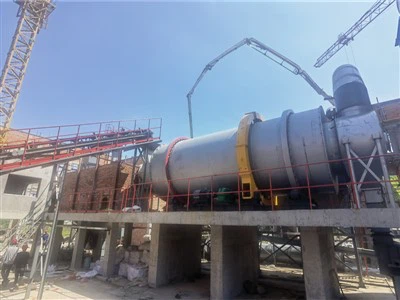
When it comes to buying a dry mortar production line, it’s important to look beyond the initial cost. You need to think about your long – term goals, your production requirements, and your budget. A cheaper production line might save you money upfront, but it could end up costing you more in the long run if it’s unreliable or doesn’t meet your production needs.
Dust Collectors If you’re still not sure which production line is right for you, or you want to get a more accurate quote based on your specific requirements, don’t hesitate to reach out. We’re here to help you make the best decision for your business. Whether you’re just starting out or looking to expand your existing production capacity, we’ve got the expertise and the right solutions for you. Contact us today to start the conversation about your dry mortar production line needs.
References
- Industry reports on dry mortar production technology
- Interviews with construction industry professionals
- Internal data from our experiences as a dry mortar production line supplier
Jiangsu Haike Environmental Tech Co., Ltd.
As one of the most professional dry mortar production lines manufacturers and suppliers in China, we’re featured by quality products and good service. Please rest assured to wholesale customized dry mortar production lines at competitive price from our factory. Contact us for quotation.
Address: No.1, Wei’er Branch Road, Shanggang Industrial Park, Jianhu County, Yancheng City, Jiangsu Province, China
E-mail: 17388487000@163.com
WebSite: https://www.jshkhbwm.com/
