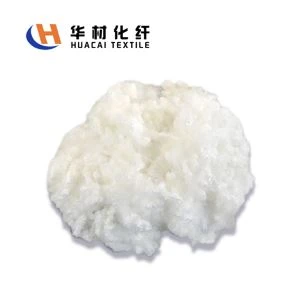
Hey there! I’m a supplier in the solid polyester staple fiber industry, and let me tell you, environmental regulations are like a big cloud hanging over our heads lately. In this blog, I’ll chat about how these regulations are shaping our business, the challenges we’re facing, and the opportunities that lie ahead. Solid Polyester Staple Fiber

First off, let’s talk about the current state of environmental regulations. Governments around the world are getting stricter about environmental protection, and that includes setting limits on emissions and waste disposal. For our industry, this means we have to be more mindful of how we produce solid polyester staple fiber.
One of the main impacts of these regulations is on our production processes. We’ve had to invest in new technologies to reduce emissions and improve energy efficiency. For example, we’ve installed advanced filtration systems to capture harmful pollutants from our production facilities. This not only helps us meet the environmental standards but also reduces the negative impact on the surrounding communities.
However, these upgrades don’t come cheap. The cost of implementing new environmental technologies can be substantial, especially for small and medium-sized suppliers like us. We’ve had to allocate a significant portion of our budget to environmental compliance, which has put a strain on our profit margins. But in the long run, we know that it’s the right thing to do for the environment and our business sustainability.
Another challenge we face is the increased scrutiny on the raw materials we use. Polyester is made from petrochemicals, which are non-renewable resources. Environmental regulations are pushing us to look for more sustainable alternatives. Some suppliers are exploring the use of recycled polyester, which is made from post-consumer plastic waste. This not only reduces the demand for new petrochemicals but also helps to solve the plastic pollution problem.
But working with recycled polyester comes with its own set of challenges. The quality of recycled polyester can be inconsistent, and it requires different processing techniques. We have to invest in research and development to find ways to improve the quality and performance of recycled polyester staple fiber. It’s a learning process, but we’re committed to making it work because we believe it’s the future of our industry.
On the bright side, environmental regulations also present some opportunities for our industry. As consumers become more environmentally conscious, there’s a growing demand for sustainable products. This means that suppliers who can offer eco-friendly solid polyester staple fiber have a competitive edge in the market.
We’ve noticed that more and more customers are asking about the environmental impact of our products. They want to know if we’re using recycled materials, if our production processes are energy-efficient, and if we’re taking steps to reduce waste. By being proactive in addressing these concerns, we can attract new customers and build stronger relationships with existing ones.
In addition, there are also government incentives and subsidies available for companies that invest in environmental protection. These can help offset some of the costs associated with implementing new technologies and transitioning to more sustainable production methods. For example, some governments offer tax breaks for companies that reduce their carbon emissions or use renewable energy sources.
To stay ahead of the curve, we’ve been actively engaging with industry associations and research institutions. We’re participating in collaborative projects to develop new sustainable technologies and best practices. By sharing knowledge and resources with other players in the industry, we can accelerate the pace of innovation and find solutions to the environmental challenges we face.
So, how does all this affect our customers? Well, in the short term, they may see some price increases due to the higher production costs associated with environmental compliance. But in the long term, they can expect to have access to higher-quality, more sustainable products. Our commitment to environmental protection means that we’re constantly looking for ways to improve the performance and durability of our solid polyester staple fiber, which benefits our customers in the end.
If you’re interested in learning more about our sustainable solid polyester staple fiber products or have any questions about how environmental regulations are affecting our industry, I’d love to hear from you. Whether you’re a small business looking for a reliable supplier or a large corporation with specific sustainability requirements, we’re here to help. Let’s start a conversation and see how we can work together to meet your needs while also protecting the environment.
In conclusion, environmental regulations are having a significant impact on the solid polyester staple fiber industry. While they present some challenges, they also offer opportunities for innovation and growth. As a responsible supplier, we’re committed to adapting to these changes and leading the way towards a more sustainable future. If you’re in the market for solid polyester staple fiber, I encourage you to reach out and see how we can meet your requirements.
Polyester Tow References:
- Industry reports on environmental regulations in the polyester industry.
- Research papers on sustainable polyester production technologies.
- News articles on government incentives for environmental protection in the manufacturing sector.
Huacai Group
Huacai Group is well-known as one of the leading solid polyester staple fiber manufacturers and suppliers in China, featured by quality products and good service. Please feel free to buy bulk solid polyester staple fiber at competitive price from our factory.
Address: No.188 Zhenyang Road, Qingyang Town, Jiangyin City, Jiangsu Province, China
E-mail: sales@huacaifiber.com
WebSite: https://www.huacaifiber.com/
