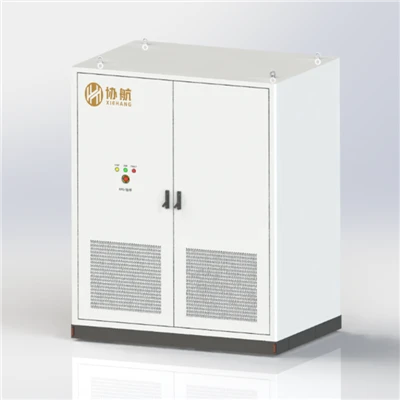
As a supplier of home battery storage systems, I understand the critical importance of safety features in these products. Home battery storage systems are becoming increasingly popular as more homeowners look to harness renewable energy sources and achieve greater energy independence. However, with the potential for high-voltage electricity and the storage of large amounts of energy, safety must be a top priority. In this blog post, I will discuss the key safety features that a home battery storage system should have to ensure the well-being of homeowners and their properties. Home Battery Storage
Overcharge and Over – discharge Protection
One of the most fundamental safety features of a home battery storage system is overcharge and over – discharge protection. Batteries have a limited range of safe operating voltages. When a battery is overcharged, it can lead to a variety of problems, including the generation of heat, the release of gases, and in extreme cases, thermal runaway, which can cause the battery to catch fire or explode.
On the other hand, over – discharge can severely damage the battery, reducing its lifespan and capacity. A good home battery storage system should be equipped with a battery management system (BMS) that continuously monitors the state of charge of the battery and automatically stops the charging process when the battery reaches its maximum safe charge level. Similarly, it should prevent the battery from discharging below a certain minimum voltage.
For example, lithium – ion batteries, which are commonly used in home battery storage systems, are particularly sensitive to overcharging and over – discharging. A well – designed BMS will ensure that these batteries operate within their safe voltage limits, protecting both the battery and the overall system.
Thermal Management
Thermal management is crucial for the safety and performance of a home battery storage system. Batteries generate heat during charging and discharging processes, and excessive heat can degrade the battery’s performance, reduce its lifespan, and pose a safety risk.
A reliable home battery storage system should have a thermal management system in place. This can include features such as heat sinks, fans, or liquid cooling systems. Heat sinks are passive devices that absorb and dissipate heat from the battery cells. Fans can be used to circulate air around the battery pack, helping to remove heat. Liquid cooling systems, which are more advanced, use a coolant to transfer heat away from the battery cells.
In addition to active cooling mechanisms, the system should also have temperature sensors. These sensors continuously monitor the temperature of the battery cells and can trigger an alarm or shut down the system if the temperature exceeds a safe threshold. This prevents the battery from reaching dangerous temperatures and reduces the risk of thermal runaway.
Short – circuit Protection
Short – circuits can occur in a home battery storage system due to a variety of reasons, such as damaged wiring, loose connections, or a malfunctioning component. A short – circuit can cause a large amount of current to flow through the system, generating heat and potentially leading to a fire or other damage.
To protect against short – circuits, home battery storage systems should be equipped with fuses or circuit breakers. Fuses are designed to break the electrical circuit when the current exceeds a certain safe level. Once a fuse has blown, it needs to be replaced. Circuit breakers, on the other hand, can be reset after they have tripped, providing a more convenient and reusable form of short – circuit protection.
In addition to fuses and circuit breakers, the system should also have insulation and isolation features. Insulation materials are used to prevent the flow of electricity between different components, reducing the risk of short – circuits. Isolation transformers can be used to electrically isolate the battery from the rest of the system, providing an additional layer of protection.
Fire and Explosion Resistance
Batteries, especially lithium – ion batteries, have the potential to catch fire or explode under certain conditions. Therefore, a home battery storage system should be designed with fire and explosion – resistant features.
The battery enclosure should be made of fire – resistant materials. This can help contain a fire if it occurs within the battery pack and prevent it from spreading to the surrounding area. Some battery enclosures are also designed to be air – tight, which can help prevent the release of flammable gases in the event of a battery malfunction.
In addition, the system can be equipped with fire suppression systems. These can include sprinklers or fire – extinguishing agents that are automatically activated in the event of a fire. Some advanced home battery storage systems also have built – in sensors that can detect the early signs of a fire, such as the presence of smoke or heat, and trigger an alarm or shut down the system before the fire spreads.
Fault Detection and Diagnostic Capabilities
A good home battery storage system should have the ability to detect faults and diagnose problems in real – time. This allows homeowners and installers to identify and address issues before they become serious safety hazards.
The system should be equipped with a range of sensors that monitor various parameters, such as voltage, current, temperature, and state of charge. These sensors send data to a control unit, which can analyze the data and detect any abnormal conditions. For example, if the voltage of a battery cell suddenly drops or the temperature rises rapidly, the system can flag this as a potential fault.
Once a fault is detected, the system should be able to communicate the problem to the homeowner or the installer. This can be done through a user – friendly interface, such as a smartphone app or a web – based portal. Additionally, the system should provide diagnostic information to help the user understand the nature of the problem and take appropriate action.
Monitoring and Communication
Monitoring and communication are essential for the safe operation of a home battery storage system. Homeowners should be able to monitor the status of their battery system at any time, including the state of charge, the power output, and the operating temperature.
Most modern home battery storage systems come with a monitoring system that allows users to access this information through a mobile app or a web browser. This real – time monitoring enables homeowners to detect any issues early and take appropriate action. For example, if the battery’s state of charge is dropping unexpectedly, the homeowner can investigate the cause and potentially prevent a more serious problem.
In addition to monitoring, the system should also have the ability to communicate with other components of the home energy system, such as solar panels and smart meters. This allows for better integration and optimization of the overall energy system, ensuring that the battery storage system operates safely and efficiently.
Environmental Protection
A home battery storage system should also be designed to protect the environment. This includes features such as leak – proof enclosures to prevent the release of battery fluids, which can be hazardous to the environment. Additionally, the system should be designed for easy recycling at the end of its life cycle.
Some home battery storage systems use environmentally friendly battery chemistries, such as lithium – iron – phosphate (LiFePO4) batteries. These batteries are less toxic and more stable than other types of lithium – ion batteries, making them a more sustainable choice.
Conclusion
In conclusion, a home battery storage system should have a comprehensive set of safety features to protect homeowners and their properties. Overcharge and over – discharge protection, thermal management, short – circuit protection, fire and explosion resistance, fault detection and diagnostic capabilities, monitoring and communication, and environmental protection are all essential aspects of a safe home battery storage system.
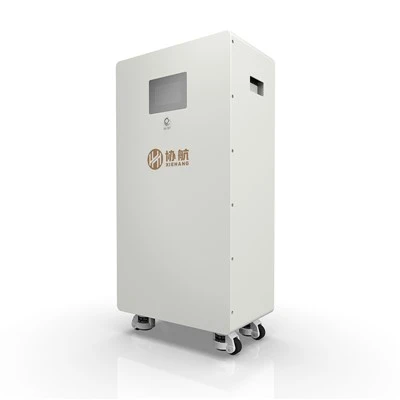
As a supplier of home battery storage systems, we are committed to providing our customers with products that meet the highest safety standards. Our systems are designed and engineered with these safety features in mind, ensuring that our customers can enjoy the benefits of renewable energy storage with peace of mind.
Home Battery Storage If you are interested in learning more about our home battery storage systems or are considering purchasing one for your home, we encourage you to contact us. Our team of experts is available to discuss your specific needs, answer your questions, and provide you with a tailored solution. Let’s work together to create a safe and sustainable energy future for your home.
References
- Battery Management Systems: Design by System Modeling, A. Emadi, T. X. Wu, and B. C. Johnson.
- Handbook of Lithium – Ion Batteries, B. Scrosati, J. – M. Tarascon.
- Safety Considerations for Energy Storage Systems in Residential Applications, Department of Energy, USA.
Zhejiang Xiehang New Energy Equipment Co., Ltd.
As one of the most professional home battery storage manufacturers and suppliers in China, our products have good reputation in the market. Please erst assured to wholesale custom made home battery storage from our factory. If you have any enquiry about cooperation, please feel free to email us.
Address: No.5 Hechen Road, Zhouwangmiao Town, Haining, Jiaxing City, Zhejiang Province, China
E-mail: dan.wu@xiehang.net
WebSite: https://www.shineonpower.com/
