When I started this duty pouch supply business five years ago, I thought it’d be as simple as selling durable bags. But I quickly learned that duty pouches aren’t one-size-fits-all—what works for a retail security officer patrolling a mall 12-hour shifts won’t cut it for a park ranger hauling gear through backcountry trails, or a concert venue staffer tossing spare badges and wristbands into a quick-access pocket. I’ve had customers tell me they wasted hundreds of dollars on cheap pouches that split open mid-patrol, or couldn’t fit their radio and handcuffs at the same time, and that’s the frustration I want to help you avoid. Choosing the right duty pouch isn’t about picking the shiniest or cheapest option—it’s about matching the pouch’s features to your exact job, environment, and gear needs. Let’s break this down like I’d walk a new customer through on a call, no industry jargon, no sales fluff, just real talk from someone who’s seen the good, the bad, and the totally unnecessary when it comes to duty pouches. Duty Pouch
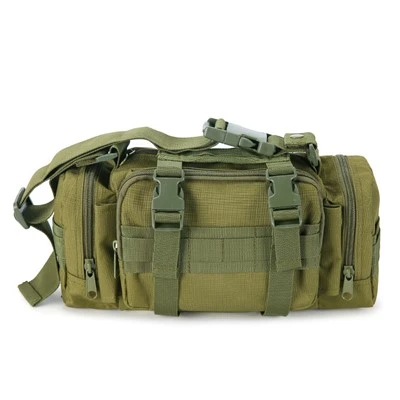
First, start with your core use case, because that’s the foundation of every good choice. I still remember a university campus safety officer who ordered three of our all-weather tactical pouches last year, only to call back a week later saying he hated them because he worked indoors mostly and didn’t need waterproofing. Turns out, he’d been browsing tactical gear forums and picked the most “rugged” option he saw, but his actual job required quick access to a pen, a notepad, and a small flashlight for occasional evening checks—not muck-resistant fabric for mud or rain. That’s the number one mistake people make: overbuying features they’ll never use, or underbuying for the hazards of their role. Let’s categorize the most common use cases to narrow this down: frontline security (retail, office, event staff), public safety (police, sheriff, park rangers), and field-based roles (construction site security, wildlife officers, event setup crews). For retail security, which usually involves stationary patrols with occasional store-wide checks, you’ll want pouches that are lightweight, have open or semi-open access for small tools (like key sets, ticket scanners, and a discreet pepper spray), and sit low enough on your duty belt so they don’t get in the way when you’re bending over to inspect a display. For park rangers, who might hike miles with their gear and face snow, rain, or brush scratches, waterproofed Cordura nylon or heavy-duty polyester is non-negotiable—you’ll also need modular attachment points so you can swap pouches for a day hike vs. a trail maintenance shift, without buying a whole new belt setup.
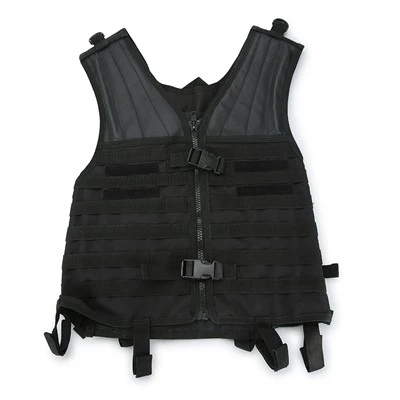
Next, fit and compatibility are non-negotiables, and this is where a lot of brands drop the ball. A duty pouch is only useful if it stays where you put it when you run, climb a fence, or reach for your radio during a tense situation. I’ve tested dozens of belt attachment systems over the years, and the two most reliable for full-time use are belt loop attachments and MOLLE webbing. Belt loops (also called pistol belt slots) work best for users who have a standard 2.25-inch duty belt—this is the most common size for law enforcement and security, so make sure your pouch’s belt loops are wide enough to slide on without forcing, and reinforced with heavy stitching so they don’t tear when you yank a full pepper spray canister out. MOLLE webbing is better if you want to build a custom loadout—you can attach a radio pouch right next to a handcuff case, a flashlight below that, and a multi-tool on the opposite side, all without a bulky fixed setup. But here’s a pro tip I learned the hard way: not all MOLLE webbing is made equal. Cheaper pouches use thin, flimsy webbing that pulls loose after a few months of adjustment, so look for 1000D or 1680D nylon webbing stitched with at least three rows of thread where it connects to the pouch body. Also, measure your gear before you buy the pouch—this is the second biggest mistake I see customers make. A radio that’s 5 inches tall won’t fit in a 4-inch radio pouch, no matter how much you force it, and a handcuff case that’s designed for rigid chain cuffs won’t work for the smaller hinged cuffs most security teams use now. I always recommend customers lay their gear out on a table, measure the height, width, and depth of each item, then add 0.5 inches of clearance—this gives you enough space to grab it quickly without it bouncing around and getting damaged.
Then there’s durability and material, which ties directly to how much you’ll actually use your pouch. Let’s be real: most duty pouches take a beating. They get scraped on store shelves, dragged through mud, exposed to sweat in summer and frost in winter, and stuffed in trunks or patrol cars with other gear. The two most common materials for duty pouches are nylon and polyester, and I have a clear preference for nylon for most use cases, though polyester is a solid budget pick for light, indoor roles. 1000D Cordura nylon is the gold standard here—it’s abrasion-resistant, tear-proof, and lightweight enough that you won’t forget you’re wearing it. I’ve had customers use Cordura pouches for over three years with no signs of fraying, even when they work 14-hour days in outdoor settings. For indoor retail or event staff, 600D polyester is a great, lower-cost option—it’s durable enough for light use, easier to clean with a damp cloth, and comes in plain colors that match most uniform requirements. Avoid vinyl or plastic pouches at all costs—they crack in cold weather, smell after a few months of use, and split if you drop them on a concrete surface. I once had a customer send back a plastic pepper spray pouch that cracked after a month of outdoor use, saying it left him without self-defense during a late-night patrol, and that’s exactly why we only offer pouches made from heavy-duty nylon or polyester.
Accessibility is another factor you don’t want to overlook, especially for high-stress roles. If you’re a security officer responding to a disturbance, you don’t have time to fumble with a zipper that gets stuck, or dig through a closed pouch to grab your radio. The best duty pouches offer quick-access options that vary by tool: radio pouches usually have a top-opening design with a Velcro or snap closure that’s easy to yank open with one hand, even while wearing gloves. Handcuff cases are often designed with a spring-loaded release or a thumb break so you can access them in seconds. For smaller items like pens or spare keys, open-top pouches or pouches with a wide, semi-open top (not a tiny zippered pocket) are way more practical. That said, accessibility doesn’t mean no security—if you’re patrolling a busy mall, you don’t want your pepper spray falling out while you walk. The sweet spot is a closure that’s secure enough to hold your gear during movement, but easy to open when you need it. I once tested a pouch that had a heavy plastic snap so tight I could barely open it with my bare hands, let alone gloves, and I had to redesign that closure to use a softer, reinforced snap that stays secure but is still one-hand accessible.
Also, don’t forget about comfort and weight distribution, especially if you’re wearing your pouch for 10+ hours a day. A bulky, heavy pouch might feel tough, but after eight hours of walking a patrol route, it’ll pull on your duty belt and leave you with a sore lower back or hip. I recommend looking for pouches that are low-profile and lightweight, with minimal extra bulk—for example, a thin nylon radio pouch that holds a standard radio without adding extra inches, vs. a bulky padded pouch that’s designed for camping gear. For users who carry multiple pouches, like a full duty belt setup with radio, cuffs, pepper spray, and a flashlight, look for pouches that have a contoured back or padding where they touch your hip—this reduces friction and sweating during long shifts. I always tell customers to try on their duty belt with the pouches attached for at least 30 minutes before committing to a bulk order—if it feels uncomfortable while standing, it’ll be unbearable after two hours of walking.
Now, let’s talk about some common add-ons that might seem unnecessary but can make a huge difference. Modular attachments are a big one—if you ever need to rearrange your loadout, pouches that clip or slide onto your belt or MOLLE webbing mean you don’t have to buy a whole new belt. Water-resistant coatings are worth the extra $5-$10 if you work in rainy climates or outdoor roles, even if you think it won’t rain—you’ll thank me when your radio stays dry during an unexpected downpour. Color-matched pouches are also important for uniform compliance—most security teams and law enforcement agencies require pouches to be black, navy, or match the uniform color, so make sure you check your workplace’s dress code before ordering custom colors. I once had a customer order 50 tan pouches for a university police department, only to find out their dress code required black, so we were able to swap them for no extra cost, which is why I always remind customers to confirm their color requirements early.
I can’t end this without sharing a quick story that sums up why getting the right pouch matters. Last year, I worked with a team of event security staff for a major music festival. They’d been using cheap, one-size-fits-all pouches that were too small for their ticket scanners, and by the third day, half of them had zipper malfunctions and cuffs falling out. We custom-fit their order: small, lightweight pouches for ticket scanners, open-top key pouches, and semi-closed pepper spray holders that were color-matched to their black uniforms. After the festival, their lead supervisor emailed me saying they’d gone from 20+ malfunctions a day to zero, and the staff said they didn’t have to juggle their gear while doing their jobs. That’s the payoff here: a good duty pouch doesn’t just hold your tools, it makes your job easier, safer, and less stressful.
If you’re shopping for duty pouches and still have questions, whether you’re outfitting a team of 5 or 500, or you’re an individual looking for the right pouch for your specific role, reach out to our team to discuss your needs. We can help you measure your gear, compare material options, and find a loadout that fits your role and budget perfectly.
Duty Pouch References
- National Institute of Justice. (2021). Duty Gear Selection and Use for Law Enforcement Officers. U.S. Department of Justice.
- Occupational Safety and Health Administration. (2022). Personal Protective Equipment for Frontline Security and Public Safety Roles. U.S. Department of Labor.
- Cordura Brand. (2023). Technical Specifications for Duty Gear Fabrics. Invista Textiles.
- International Association of Venue Managers. (2022). Event Staff Duty Gear Best Practices. IAVM Industry Guidelines.
- Outdoor Industry Association. (2021). Abrasion Resistance Testing for Heavy-Duty Outdoor Equipment. OIA Product Standards.
Quanzhou Jinbei Bags Co., Ltd.
As one of the most professional duty pouch manufacturers and suppliers in China, we have world-leading production equipment and strong manufacturing capabilities. Please feel free to buy bulk high quality duty pouch for sale here from our factory. Customized orders are welcome.
Address: 302, NO. 158-17, EAST DISTRICT, TANDING, HESHI, LUOJIANG , QUANZHOU, FUJIAN, CHINA
E-mail: jinbeibags@126.com
WebSite: https://www.jinbeibags.com/
