Hey there! As a supplier of Partial Discharge Testers, I’m super stoked to dig into the topic of “What is the long – term stability of a Partial Discharge Tester?” with you all. Partial Discharge Tester
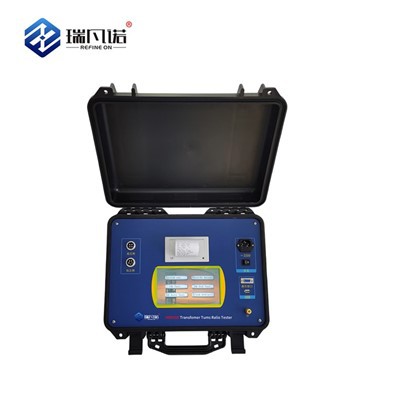
First things first, let’s get a basic understanding of what a Partial Discharge Tester is. In the electrical world, partial discharge is a localized electrical discharge that only partially bridges the insulation between conductors. This can be a sign of early insulation degradation in electrical equipment like transformers, cables, and switchgear. A Partial Discharge Tester is a tool we use to detect these discharges. It helps us figure out if there are any issues with the insulation, which can prevent major breakdowns and keep our electrical systems running smoothly.
So, what does long – term stability mean for a Partial Discharge Tester? Well, it’s all about the tester’s ability to maintain its performance over an extended period. This includes things like accurate measurement results, proper functioning of the hardware and software, and reliability in different environmental conditions.
Accurate measurement results are crucial. You see, when we’re using a Partial Discharge Tester, we rely on the data it gives us. If the tester starts to give inaccurate readings over time, it can lead to some seriously wrong decisions. For example, if the tester underestimates the level of partial discharge, we might think the insulation in a piece of electrical equipment is in good condition when it’s actually degrading. On the other hand, if it overestimates, we could waste time and money on unnecessary maintenance.
Let me give you an example. One of our customers was using a competitor’s tester. At first, the results seemed okay. But after about a year, they noticed that the readings were all over the place. Sometimes it showed high levels of partial discharge when there really shouldn’t have been any, and other times it missed actual discharges. This led them to conduct some unnecessary inspections and, more importantly, nearly missed a major insulation failure in one of their transformers. When they switched to our Partial Discharge Tester, we made sure they got reliable and consistent results.
Now, let’s talk about the hardware and software of the tester. The hardware needs to be durable. It has to withstand normal wear and tear, vibrations, temperature changes, and sometimes even harsh chemicals if it’s used in industrial settings. For instance, our testers are built with high – quality components. The sensors are made to last, and the casings are designed to protect the internal parts from physical damage.
Software is just as important. It’s what processes the data from the sensors and presents it to us in a useful way. Over time, software can run into bugs or compatibility issues. That’s why we, as a supplier, are always working on software updates. We constantly test and improve the software to make it more stable and user – friendly. We also make sure it can communicate properly with external devices, like computers or printers, for data storage and analysis.
Another aspect related to long – term stability is how the tester performs in different environmental conditions. Electrical equipment can be installed in all sorts of places, from cozy indoor control rooms to outdoor substations exposed to extreme weather. A good Partial Discharge Tester should be able to work reliably in various temperatures, humidity levels, and levels of electromagnetic interference.
We’ve seen cases where testers that were great in a controlled lab environment failed miserably in the real world. For example, in hot and humid climates, some testers’ internal components would overheat or get corroded, leading to inaccurate readings. Our testers are designed and tested to work in a wide range of environmental conditions. We’ve done field tests in deserts, where the temperatures can soar during the day, and in coastal areas with high humidity. These tests have helped us fine – tune our testers to ensure they can handle whatever Mother Nature throws at them.
But how do you ensure that the long – term stability of a Partial Discharge Tester? Well, regular calibration is a must. Just like you need to get your car’s tires aligned and the engine tuned up from time to time, a Partial Discharge Tester needs to be calibrated regularly. This ensures that the measurements are still accurate. We provide our customers with calibration procedures and schedules based on industry standards.
Proper maintenance also goes a long way. It’s important to keep the tester clean and free from dust and debris. Check the cables and connectors for any signs of wear or damage. Make sure the battery (if it’s a battery – powered tester) is in good condition and charged regularly. And of course, always follow the manufacturer’s instructions on how to use and store the tester.
As a supplier, we’re committed to providing our customers with testers that have excellent long – term stability. We invest a lot of time and resources in research and development to improve the design and performance of our products. We also have a great after – sales support team. If our customers encounter any issues with their testers, we’re here to help. Whether it’s software troubleshooting, hardware repairs, or advice on calibration and maintenance, we’ve got their backs.
If you’re in the market for a Partial Discharge Tester, you don’t want to just look at the price or the basic features. You need to think about the long – term stability. A tester that might be cheaper upfront but has poor long – term stability can end up costing you a lot more in the long run. You’ll have to deal with inaccurate results, frequent repairs, and maybe even buy a new tester sooner than you’d like.
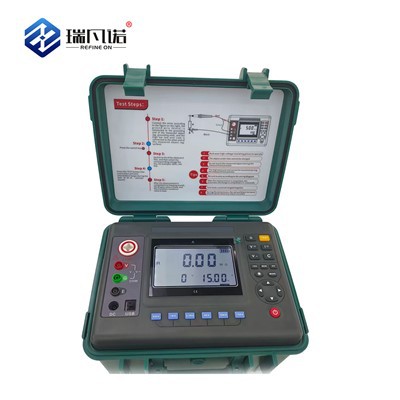
On the other hand, investing in a high – quality tester with good long – term stability can save you money and headaches. You’ll be able to rely on the data it gives you, and you won’t have to worry about constant breakdowns or inaccurate readings.
Transformer Oil Tester So, if you’re interested in learning more about our Partial Discharge Testers and how we ensure their long – term stability, don’t hesitate to reach out. We’d love to have a chat with you, answer any questions you might have, and discuss how our products can meet your specific needs. Let’s work together to keep your electrical systems in top shape!
References
- IEEE Standard for Partial Discharge Measurements (IEEE 400.2)
- IEC 60270: High – voltage test techniques – Partial discharge measurements
Refine On (Hebei) Electric Power Technology Co., Ltd.
Refine On (Hebei) Electric Power Technology Co., Ltd. is one of the most reliable partial discharge tester manufacturers and suppliers in China, also supports customized service. Please feel free to wholesale advanced partial discharge tester at competitive price from our factory. Contact us for quotation.
Address: Building 13, Liandong U Valley, No.64, Jing SAN South Street, Economic Development Zone, Mancheng District, Baoding City, China
E-mail: victor@transformer-test.com
WebSite: https://www.transformer-test.com/
