Hey there! I’m a supplier of other fabrics, and today I wanna chat about whether these other fabrics are shiny or matte. It’s a question that comes up a lot, especially when people are looking for the right fabric for their projects, whether it’s for fashion, home decor, or something else. Other Fabrics

Let’s start by understanding what we mean by shiny and matte. A shiny fabric has a high level of reflectivity. When light hits it, it bounces off in a smooth way, giving that glitzy, eye – catching look. Think of satin or lamé. These fabrics have a sheen that can make any garment stand out. On the other hand, a matte fabric absorbs more light. It doesn’t have that obvious reflection, and instead, it has a more subdued, flat appearance. Cotton twill or some types of wool often fall into this category.
Now, when it comes to other fabrics, the answer isn’t always black and white. There’s a whole spectrum of finishes, and many factors can influence whether a fabric ends up shiny or matte.
One big factor is the fiber type. Natural fibers like silk can be both shiny and matte. Raw silk, for example, has a bit of a duller, more matte look because of the presence of sericin, a natural gum in silk. But when it’s degummed and processed, it can turn into a shiny, luxurious fabric like charmeuse. Synthetic fibers, too, can vary. Nylon can be made to have a high – shine finish, which is great for sportswear where you might want that sleek look. But it can also be treated to have a more matte appearance, which is useful for things like backpacks or workwear where you don’t want the fabric to be too flashy.
The manufacturing process also plays a huge role. Weaving and knitting techniques can affect the fabric’s surface. A tight, smooth weave can make a fabric more likely to be shiny because it provides a flat surface for light to reflect off. For instance, a satin weave has a long float of yarns on the surface, which gives it that characteristic shine. In contrast, a more textured weave, like a basket weave or a tweed, scatters light in different directions, resulting in a more matte look.
Dyeing and finishing processes are another key aspect. Some dyes can enhance the shine of a fabric. Metallic dyes, for example, will add a shiny, almost iridescent quality to the fabric. Finishing treatments like calendaring, where the fabric is passed through hot rollers under pressure, can smooth out the surface and increase its shine. On the flip side, treatments like sanding or applying a matte coating can make a shiny fabric more matte.
Let’s talk about some specific types of other fabrics and their shine or matte properties. Microfiber is a popular choice these days. It can be either shiny or matte depending on its intended use. Microfiber used for cleaning cloths often has a matte finish, which helps it to absorb dirt and liquids better. But microfiber used in high – end sportswear or evening wear can be shiny, giving a modern and sleek look.
Linen is a natural fabric with a unique character. It usually has a more matte appearance because of its irregular fibers. The natural texture of linen scatters light, and even when it’s woven tightly, it doesn’t have the same shine as silk. However, with some advanced finishing techniques, it’s possible to give linen a bit of a sheen, but it still retains that rustic charm.
Acrylic is a synthetic fabric that can mimic the look of other fibers. It can be made to have a shiny finish to imitate silk or a matte finish to look more like wool. This versatility makes it a great option for a wide range of applications.
So, why does it matter whether a fabric is shiny or matte? Well, it all comes down to the end – use. In the fashion industry, shiny fabrics are often used for evening gowns, party wear, or to add a pop of glamour to an outfit. They draw attention and can make a person stand out in a crowd. Matte fabrics, on the other hand, are more commonly used for everyday wear, work uniforms, or in situations where you want a more understated look.
In home decor, shiny fabrics can be used to create a luxurious and glamorous atmosphere. You might use a shiny silk curtain in a formal living room to add a touch of elegance. Matte fabrics, like cotton or linen, are great for more casual spaces like bedrooms or family rooms. They give a cozy and inviting feel.
As a supplier of other fabrics, I’ve seen firsthand how important it is for customers to understand the shine or matte properties of the fabrics they’re buying. That’s why I’m always here to help. Whether you’re a fashion designer looking for that perfect fabric to make your next collection shine, or a homeowner wanting to spruce up your living space, I’ve got a wide range of other fabrics to choose from.
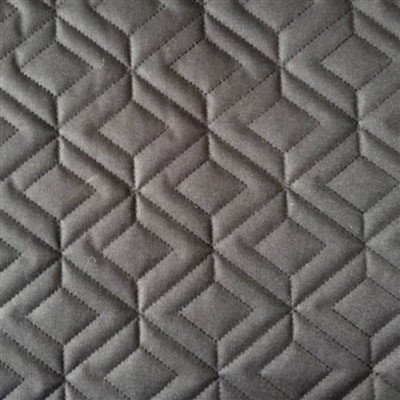
If you’re interested in learning more about the different types of other fabrics I offer, or if you want to discuss which fabric is best for your specific project, don’t hesitate to reach out. I’m happy to have a chat and help you find the ideal fabric that meets your needs. Whether you’re looking for a shiny fabric to make a statement or a matte fabric for a more subtle look, I’m here to assist you every step of the way.
1680D Cationic Oxford Fabric References:
- "Textiles: Science and Technology" by J. E. Booth and P. A. Howarth
- "The Handbook of Fibre Science and Technology" edited by Mark Lewin and Eli M. Pearce
Dongyang Huangxiu Leather & Plastic Co., Ltd.
With abundant experience, we are one of the most professional fabrics manufacturers in China. We warmly welcome you to wholesale customized fabrics made in China here from our factory. If you have any enquiry about quotation and free sample, please feel free to email us.
Address: Huangxiu Leather & Plastic Products, No. 79 Shunda Road, Huashui Town, Dongyang City, Zhejiang Province
E-mail: x372921764@163.com
WebSite: https://www.huangxiutextile.com/
