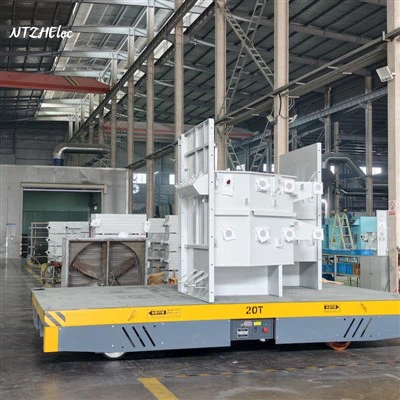
As a supplier of corrugated transformer tanks, I understand that ensuring the safety and efficiency of these crucial components is of utmost importance. One of the key aspects in maintaining the integrity of corrugated transformer tanks is determining the appropriate inspection frequency. In this blog, I will delve into the requirements for the inspection frequency of a corrugated transformer tank, taking into account various factors that influence this decision. Corrugated Transformer Tank
Understanding the Importance of Inspection
Corrugated transformer tanks play a vital role in protecting the transformer core and windings from environmental factors and providing a stable enclosure for the insulating oil. Over time, these tanks can be subjected to a range of stresses, including mechanical, thermal, and chemical, which can lead to wear and tear, corrosion, and other forms of damage. Regular inspections are essential to detect any potential issues early on, prevent costly breakdowns, and ensure the reliable operation of the transformer.
Factors Influencing Inspection Frequency
The inspection frequency of a corrugated transformer tank is not a one – size – fits – all approach. Several factors need to be considered to determine how often inspections should be carried out:
1. Operating Environment
The environment in which the transformer operates has a significant impact on the inspection frequency. Transformers located in harsh environments, such as areas with high humidity, extreme temperatures, or high levels of pollution, are more likely to experience accelerated corrosion and other forms of damage. For example, in coastal areas where saltwater is present in the air, the corrosion rate of the tank can be much higher. In such cases, more frequent inspections, perhaps every 6 to 12 months, may be necessary. On the other hand, transformers in relatively clean and stable indoor environments may require less frequent inspections, such as once every 1 to 2 years.
2. Age of the Transformer
Older transformers are generally more prone to problems compared to newer ones. As the tank ages, the material may degrade, and the protective coatings may wear off, increasing the risk of corrosion and leakage. A newly installed corrugated transformer tank may only need an initial inspection a few months after commissioning to ensure proper installation and early detection of any manufacturing defects. However, for transformers that are over 10 years old, inspections every 1 to 2 years are often recommended. As the transformer approaches the end of its expected lifespan, inspections may need to be even more frequent.
3. Load Conditions
Transformers operating under heavy or fluctuating loads generate more heat, which can affect the integrity of the tank. High temperatures can cause the expansion and contraction of the tank material, leading to stress cracks over time. In addition, the insulating oil may degrade more rapidly under high – load conditions, potentially releasing corrosive substances. Transformers with high and variable loads may require inspections every 12 to 18 months, while those operating under stable and moderate loads can be inspected less frequently, perhaps every 2 years.
4. Design and Material Quality
The design and quality of the corrugated transformer tank itself also influence the inspection frequency. Tanks made of high – quality materials with advanced corrosion – resistant coatings and robust designs are generally more durable and may require less frequent inspections. For example, a tank constructed from a high – grade stainless – steel alloy with a well – applied epoxy coating may have a longer inspection interval compared to a tank made of lower – quality carbon steel with minimal protection. Quality tanks may allow for inspections every 1.5 to 2 years, while those of lower quality may need to be inspected annually.
Inspection Intervals and Standards
Based on industry standards and best practices, here are some general guidelines for the inspection frequency of corrugated transformer tanks:
Initial and Commissioning Inspections
- Immediately after installation, a visual inspection should be carried out to check for any visible damage during transportation or installation. This includes inspecting the tank for dents, scratches, and proper alignment of components.
- A few months after commissioning (usually 3 – 6 months), a more comprehensive inspection should be conducted. This may involve checking the oil level, inspecting for leaks, and evaluating the operation of the tank’s accessories such as pressure relief valves and breathing devices.
Routine Inspections
- Low – risk Environments and New Tanks: For transformers in clean, indoor environments and relatively new tanks, routine inspections can be carried out every 18 months to 2 years. These inspections typically include visual examinations of the tank exterior, checking for signs of corrosion, cracking, or deformation, as well as monitoring the oil parameters such as moisture content, acidity, and dielectric strength.
- Moderate – risk Environments: In areas with moderate environmental stress, such as mild industrial areas or regions with average humidity, annual inspections are recommended. These inspections involve a more detailed check of the tank’s integrity, including non – destructive testing for hidden defects in the tank walls.
- High – risk Environments: As mentioned earlier, transformers in harsh environments such as coastal areas, chemical plants, or high – pollution urban centers should be inspected every 6 to 12 months. These inspections may require more in – depth testing, such as ultrasonic thickness measurements to check for wall thinning due to corrosion.
Special Inspections
- After any significant event, such as a short – circuit fault, lightning strike, or seismic activity, an immediate inspection should be carried out. These events can cause structural damage to the tank and other components of the transformer, and it is crucial to check for any signs of damage to ensure safe operation.
Advanced Inspection Techniques
In addition to regular visual inspections, there are several advanced techniques that can be used to assess the condition of corrugated transformer tanks more accurately. These techniques can help detect potential problems at an early stage and allow for timely maintenance and repair.
Ultrasonic Testing
Ultrasonic testing is a non – destructive testing method that uses high – frequency sound waves to detect internal flaws in the tank material. By measuring the time it takes for the sound waves to travel through the material and reflect back, it is possible to identify cracks, voids, and other defects that may not be visible on the surface. This technique is particularly useful for detecting corrosion – induced wall thinning in the tank.
Magnetic Particle Testing
Magnetic particle testing is used to detect surface and near – surface defects in ferromagnetic materials such as steel tanks. A magnetic field is applied to the tank surface, and magnetic particles are then applied. If there are any cracks or defects, the magnetic field will be disrupted, causing the particles to accumulate at the defect site, making it visible to the inspector.
Infrared Thermography
Infrared thermography uses thermal imaging cameras to detect variations in surface temperature. Hot spots on the tank surface can indicate internal problems such as overheating due to electrical faults or blocked cooling channels. This technique is useful for identifying potential issues before they lead to major failures.
Conclusion and Call to Action

Determining the correct inspection frequency for a corrugated transformer tank is a complex process that requires careful consideration of multiple factors. By taking into account the operating environment, age, load conditions, and design of the tank, it is possible to develop a comprehensive inspection plan that ensures the safety and reliability of the transformer.
Transformer Oil Tank As a supplier of corrugated transformer tanks, I am committed to providing high – quality products and expert advice on maintenance and inspection. If you are in the market for corrugated transformer tanks or need guidance on inspection frequency and techniques, I invite you to contact me for further discussion. Together, we can ensure that your transformers operate at peak performance and have a long service life.
References
- IEEE C57.12.00 – 2016, "Standard for General Requirements for Liquid – Immersed Distribution, Power, and Regulating Transformers".
- IEC 60076 – 1:2011, "Power transformers – Part 1: General".
- National Fire Protection Association (NFPA) 70B, "Recommended Practice for Electrical Equipment Maintenance".
Nantong Zhihe Electric Co., Ltd.
As one of the most professional corrugated transformer tank manufacturers and suppliers in China, we’re featured by quality products and low price. Please rest assured to wholesale cheap corrugated transformer tank made in China here from our factory. Customized orders are welcome.
Address: NO.202 Jianghai West Road, Hai’an Town, Hai’an City, Jiangsu Province
E-mail: colt.ntzh@gmail.com
WebSite: https://www.ntzhelectric.com/
